In industrial water treatment, one of the most common questions is how to choose between a purified water system and an ultrapure water system.
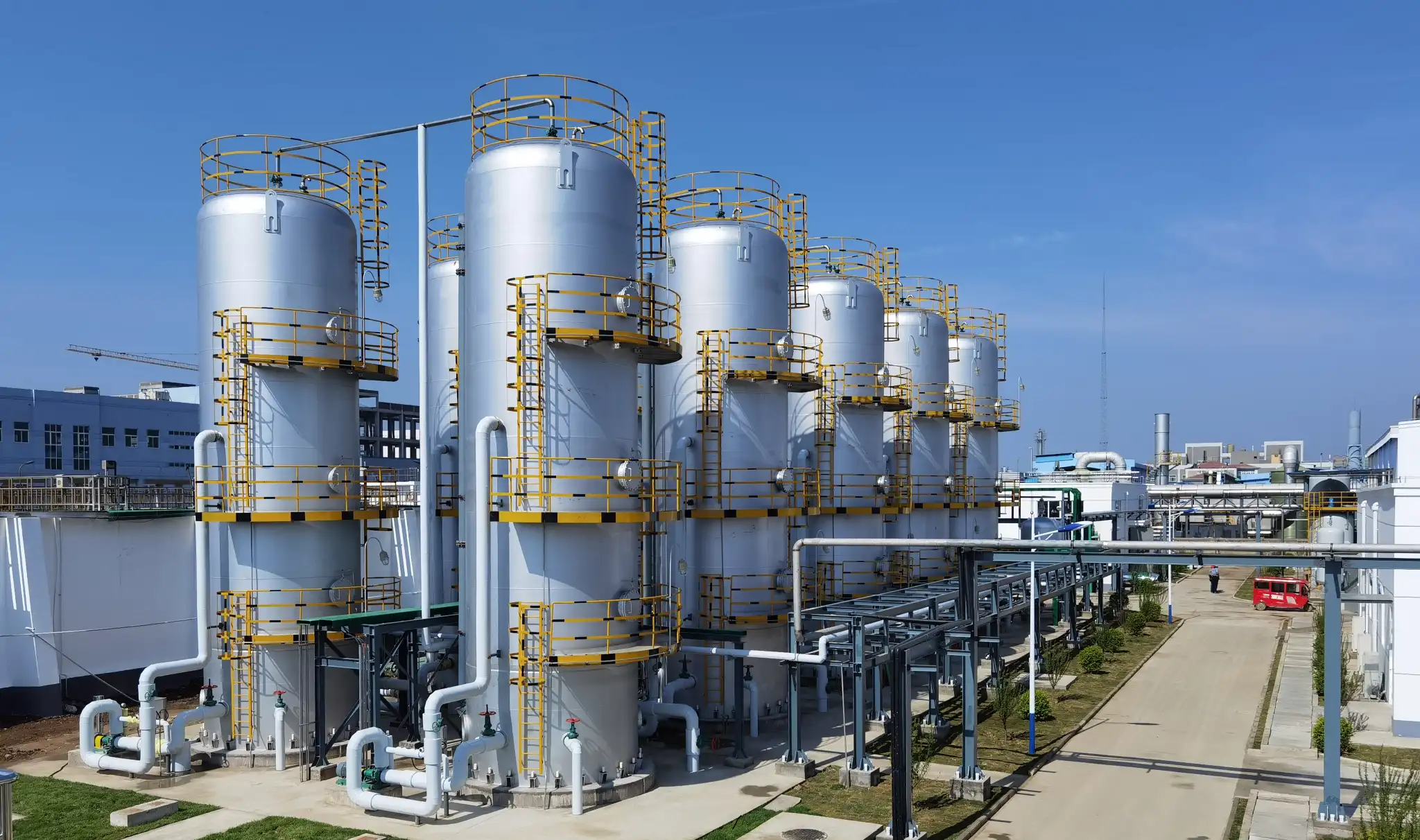
The two systems may use similar technologies, particularly reverse osmosis (RO), but they are designed to achieve different levels of water purity. Ultrapure water systems generally require additional purification and polishing stages, which is one of the main reasons they have higher equipment and operating costs.
The key differences can be compared in terms of treatment process, water quality and applications.
1. Difference in Treatment Process
Purified Water System
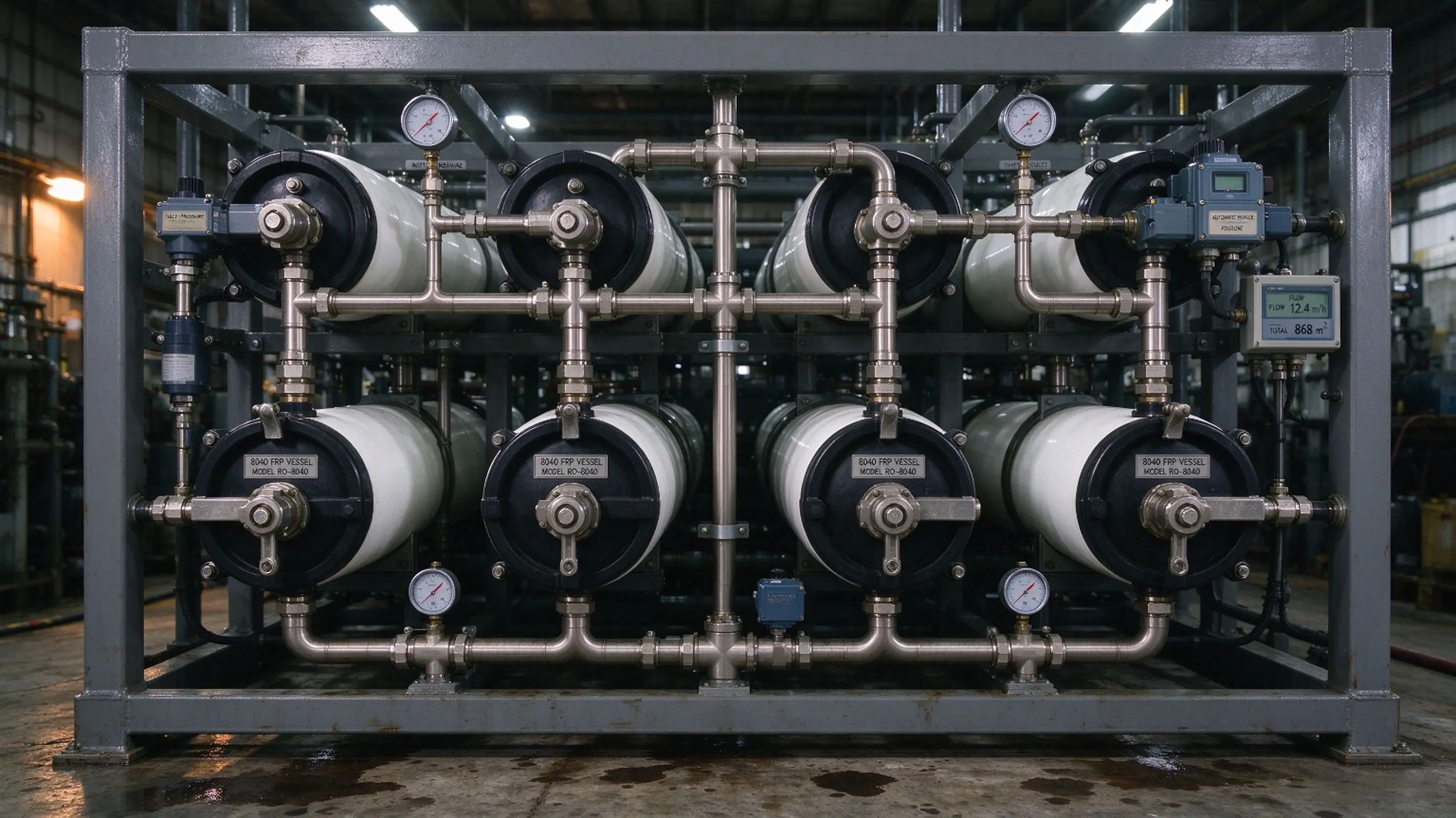
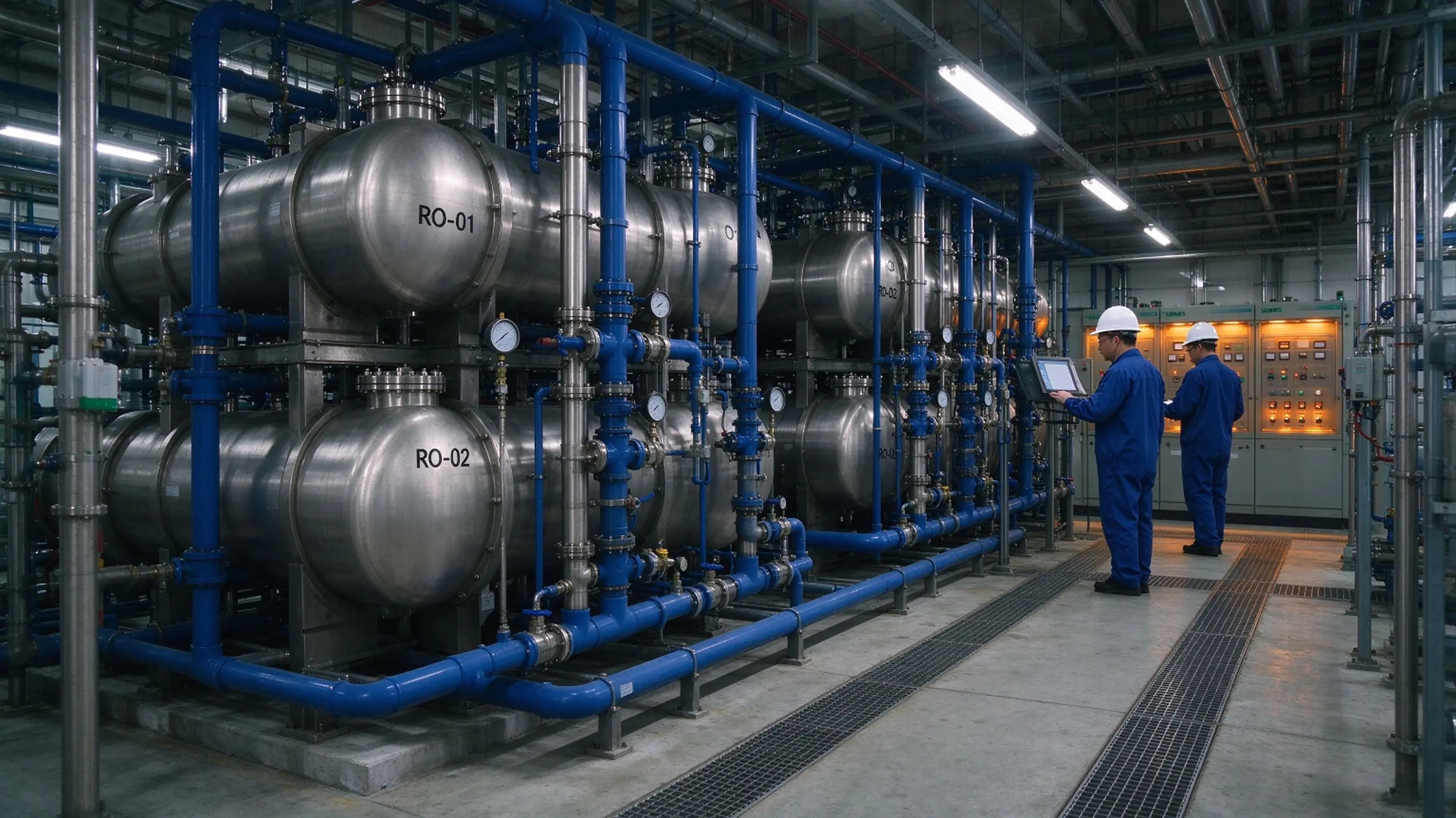
A conventional purified water system generally uses reverse osmosis (RO) as the core purification technology.
A typical configuration may include:
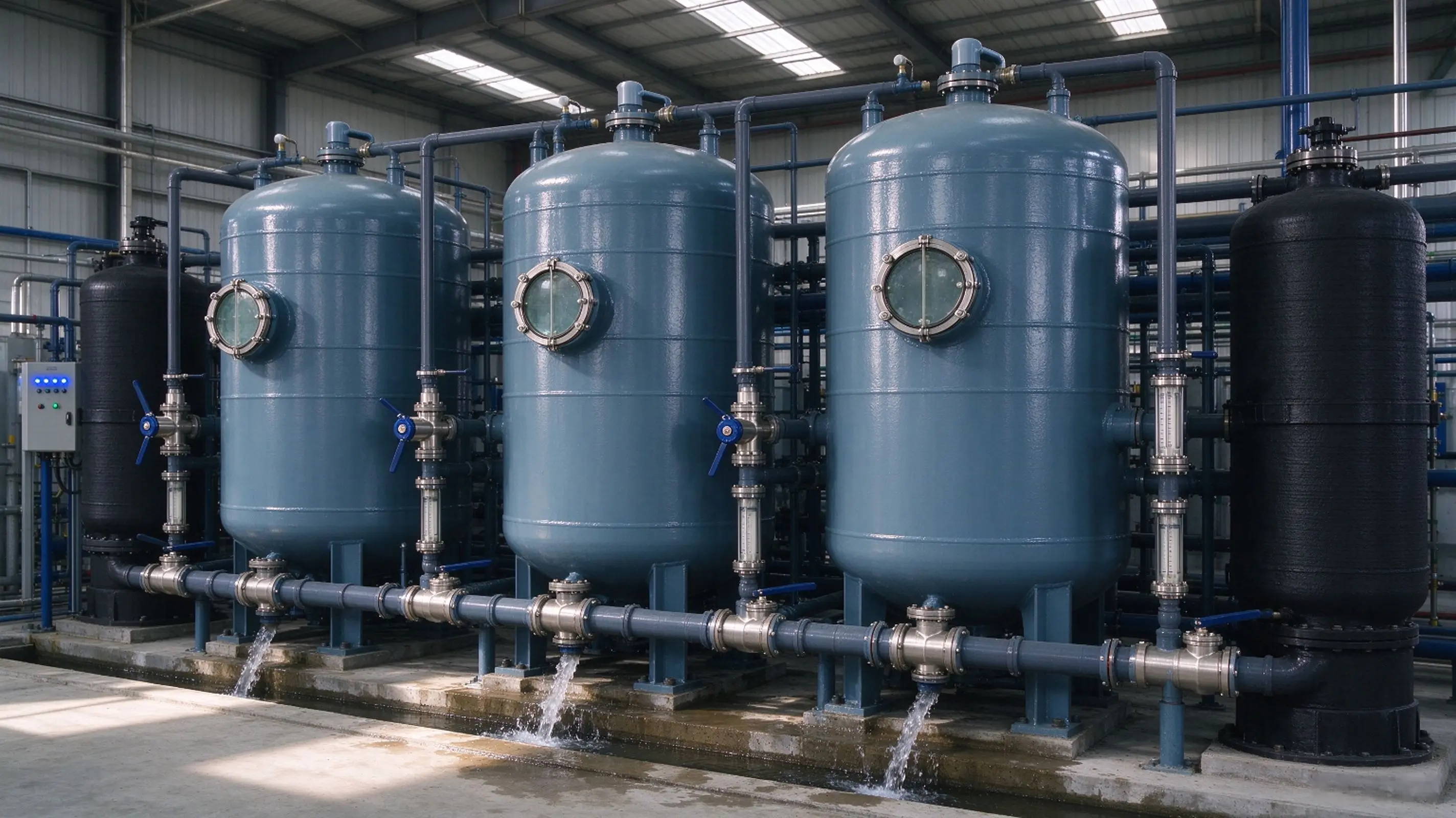
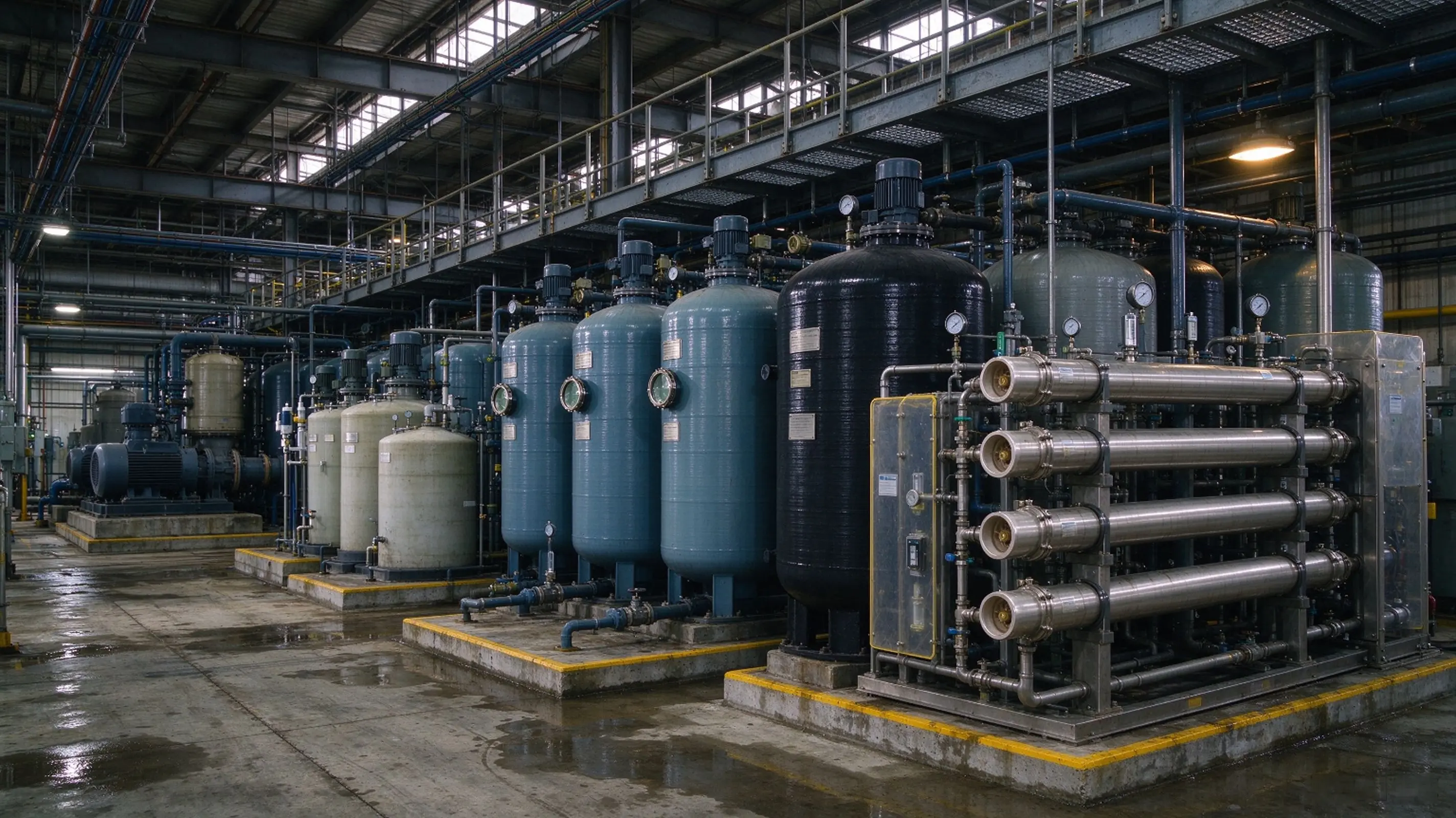
Raw Water → Sand/Multimedia Filter → Activated Carbon Filter → Water Softener → Cartridge Filter → RO System → UV/Ozone Disinfection → Purified Water
The pretreatment stages protect the RO membranes by reducing suspended solids, chlorine, hardness and other contaminants.
Depending on the required water quality and system design, a purified water system may use single-pass RO or two-pass RO.
Ultrapure Water System
An ultrapure water system generally uses purified water produced by an RO system as its feed water. Additional polishing technologies are then used to further reduce ionic and other trace contaminants.
A common configuration is:
RO → EDI → Final Polishing
or:
Two-Pass RO → EDI → Final Polishing
EDI (Electrodeionization) combines ion-exchange resins, ion-selective membranes and an electric field to continuously remove ionized contaminants.
For applications requiring extremely high water purity, additional polishing technologies may be incorporated depending on the required specifications.
Therefore, an ultrapure water system is generally a multi-stage purification and polishing system, rather than simply a higher-capacity RO system.
2. Difference in Water Quality
The most significant difference between purified water and ultrapure water is the level of contaminants remaining in the final water.
Purified Water
Purified water systems are commonly equipped with an online conductivity meter to monitor water quality.
Conductivity is widely used as an indicator of the ionic content of water. The acceptable conductivity level depends on the intended application, applicable standards and raw water conditions.
For industrial applications, the required conductivity may vary considerably depending on the manufacturing process.
Ultrapure Water
Ultrapure water systems typically require more comprehensive online monitoring. In addition to conductivity, resistivity is commonly monitored because ultrapure water has extremely low ionic conductivity.
Depending on the system configuration and design requirements, RO + EDI systems can produce water with resistivity in the range of approximately:
- 10 MΩ·cm
- 12 MΩ·cm
- 15 MΩ·cm
- 16 MΩ·cm
- Up to approximately 18.2 MΩ·cm at 25°C for high-purity systems
A resistivity of 18.2 MΩ·cm at 25°C is commonly associated with theoretical ultrapure water and represents a very high level of ionic purity.
Other parameters may also need to be monitored for demanding applications, including TOC, silica, particles, microorganisms and temperature.
3. Difference in Applications
Purified Water Applications
Purified water systems are commonly used where reliable removal of dissolved salts, suspended solids, organic contaminants and microorganisms is required.
Typical applications include:
- Schools and public institutions
- Hospitals and healthcare facilities
- Hotels and commercial buildings
- Food and beverage production
- Drinking water purification
- Bottled purified water production
- Beverage manufacturing
- Brewing and other food processing applications
- General industrial process water
The exact treatment configuration depends on the raw water quality and the required final water quality.
Ultrapure Water Applications
Ultrapure water is used in industries where even trace levels of ionic, organic or particulate contaminants can affect product quality or manufacturing performance.
Typical applications include:
- Semiconductor manufacturing
- Integrated circuit production
- Silicon wafer cleaning
- Display and electronic component manufacturing
- Electronics manufacturing
- Precision component cleaning
- Automotive and appliance coating processes
- Coated glass production
- Cosmetics manufacturing
- Fine chemical production
- Pharmaceutical and biotechnology applications
- High-purity food and industrial processes
For semiconductor and other highly sensitive manufacturing processes, the water quality requirements can extend beyond resistivity to include TOC, dissolved silica, particles, bacteria and other trace contaminants.
4. Purified Water vs. Ultrapure Water
| Item | Purified Water System | Ultrapure Water System |
|---|---|---|
| Core Technology | RO | RO + EDI / polishing |
| Typical Process | Pretreatment + RO | RO + EDI + polishing |
| Main Monitoring | Conductivity | Conductivity + resistivity |
| Typical Resistivity | Application-dependent | Up to 18.2 MΩ·cm at 25°C |
| Purity Level | High-purity process water | Ultrapure water |
| System Complexity | Relatively simple | More complex |
| Equipment Cost | Lower | Higher |
| Typical Applications | Food, beverage, general industry, commercial water | Electronics, semiconductor, pharmaceutical, precision manufacturing |
5. How to Choose Between Purified and Ultrapure Water Systems
The choice should not be based simply on the name of the equipment. The correct system should be selected according to the required water quality, production process, flow rate, raw water quality and applicable industry standards.
A purified water system may be sufficient when the application requires general high-quality process water or desalinated water.
An ultrapure water system is more appropriate when the production process requires extremely low ionic content and strict control of trace contaminants.
For example:
General industrial process water → RO
Higher-purity process water → Two-Pass RO
High-purity water → RO + EDI
Ultrapure water → RO + EDI + Final Polishing
The final configuration should be determined through raw water analysis and the specific water quality requirements of the application.