


UV & Ozone Sterilizer
Professional water sterilization systems - UV for instant physical disinfection, Ozone for comprehensive oxidation treatment.
Sterilization System Overview
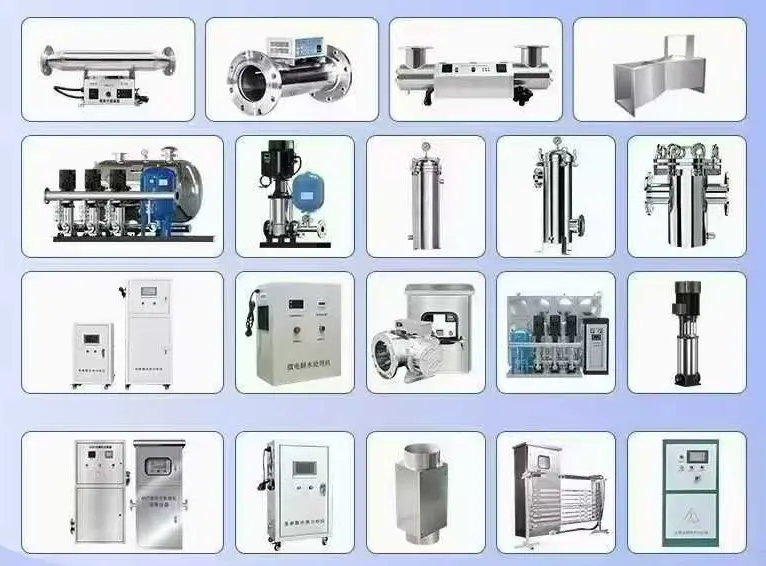
Our sterilization systems combine UV and ozone technologies for effective water disinfection across different applications. UV provides physical disinfection without chemical residues, while ozone uses oxidation for broader treatment capabilities.
UV systems are suitable for drinking water, food and beverage, and other hygiene-sensitive applications. Ozone systems are suited to industrial water treatment, pipeline disinfection, and applications requiring oxidation treatment. Both are commonly installed downstream of reverse osmosis systems as a final disinfection barrier.
Dual Technologies
UV & Ozone Disinfection
Fast Disinfection
Rapid treatment process
UV Treatment
Chemical-free physical disinfection
Applications
Drinking, Food & Industrial
Available Models
Choose the right sterilization technology for your application
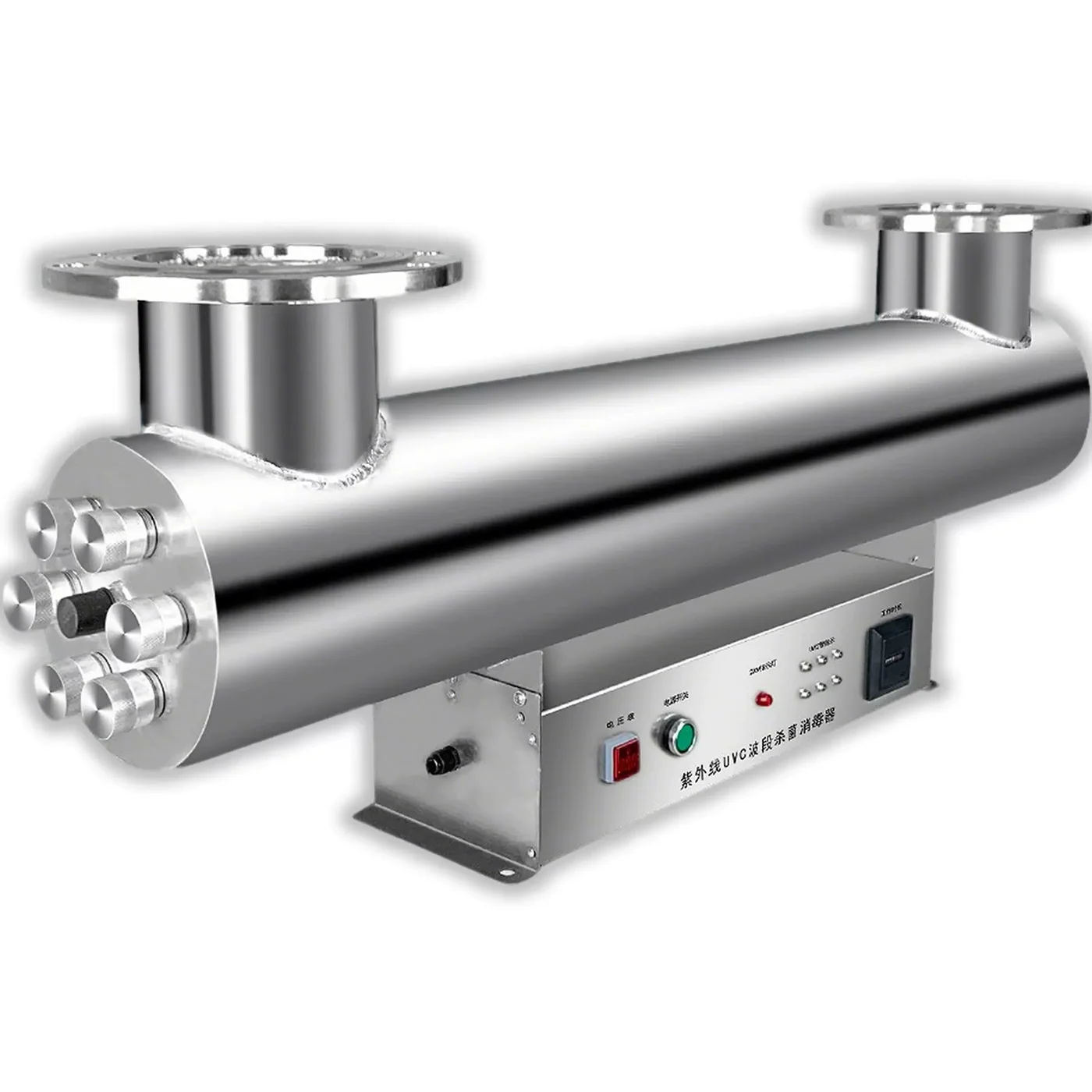 UV Sterilizer
 (Ultraviolet Sterilizer)
Pure physical sterilization using ultraviolet light. Instant disinfection with no chemical residue, no odor, and low operating costs. Ideal for drinking water applications and EDI ultra-pure water systems.
Method
Physical UV Light
Action
Instant Disinfection
Result
No Residue, No Odor
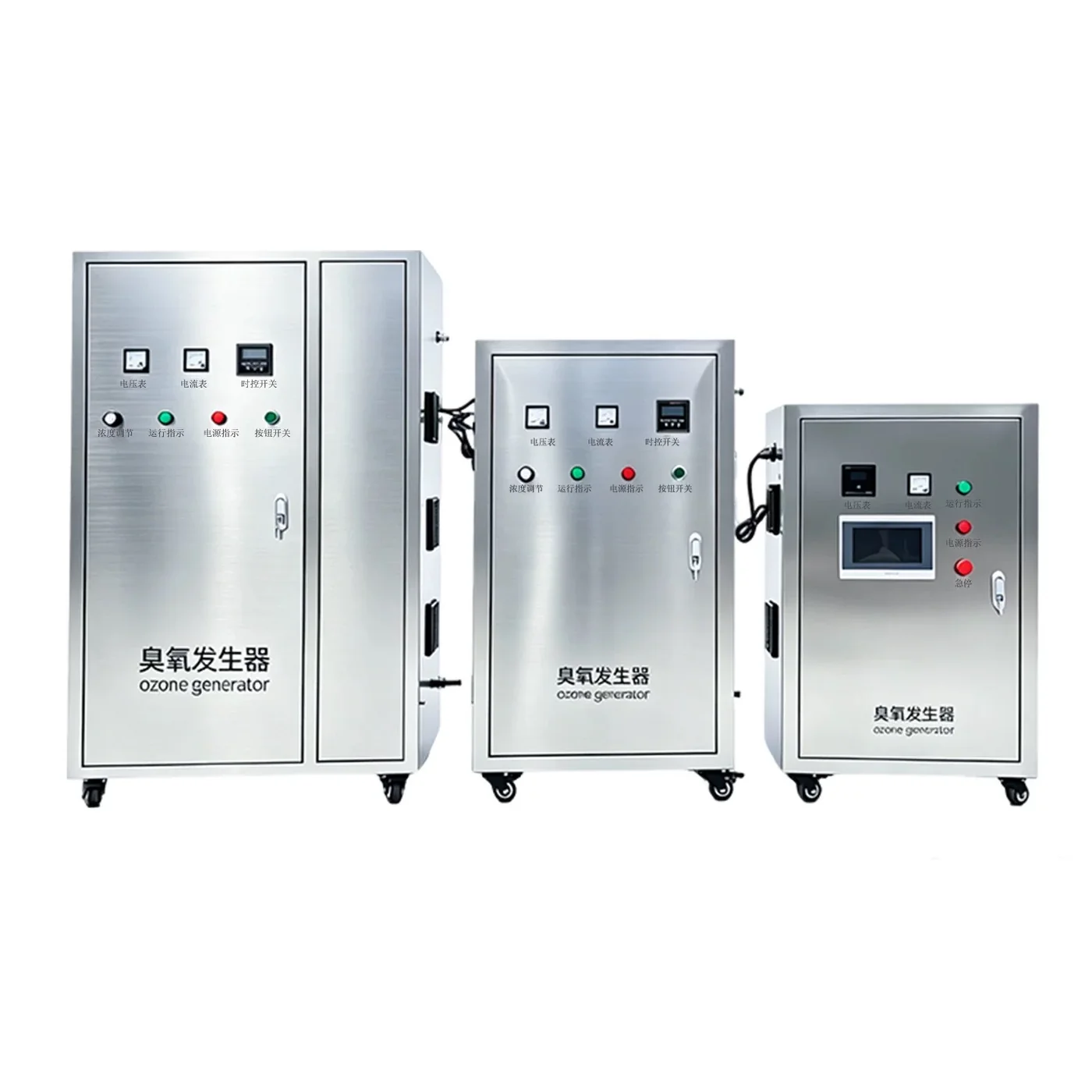 Ozone Sterilizer
 (Ozone Disinfector)
Powerful oxidation sterilization using ozone gas. Stronger and more thorough disinfection with ability to oxidize organic impurities, decolorize, and deodorize. Disinfects water, pipes, and tanks.
Method
Chemical Oxidation
Strength
Stronger & Thorough
Coverage
Water, Pipes, Tanks
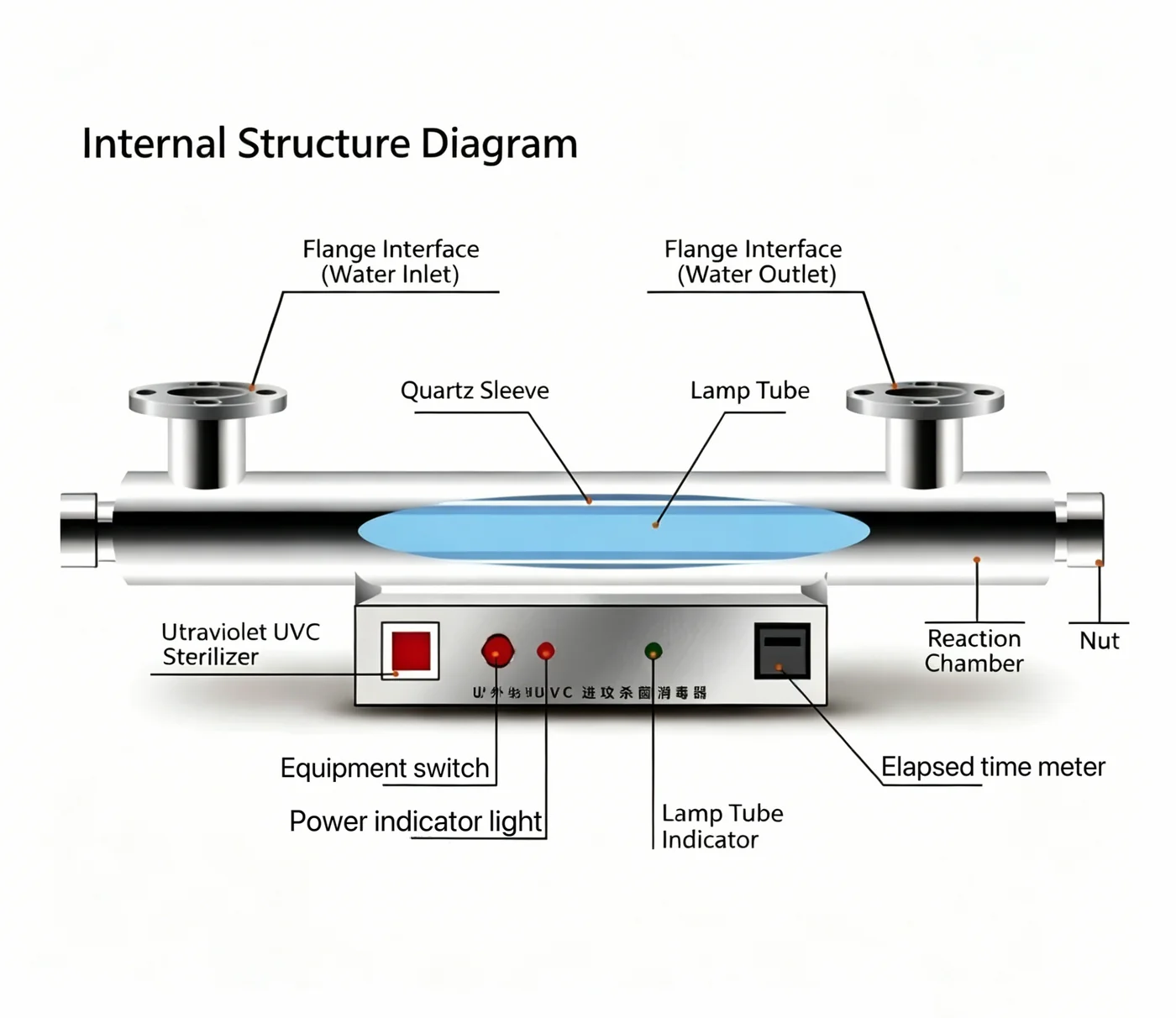
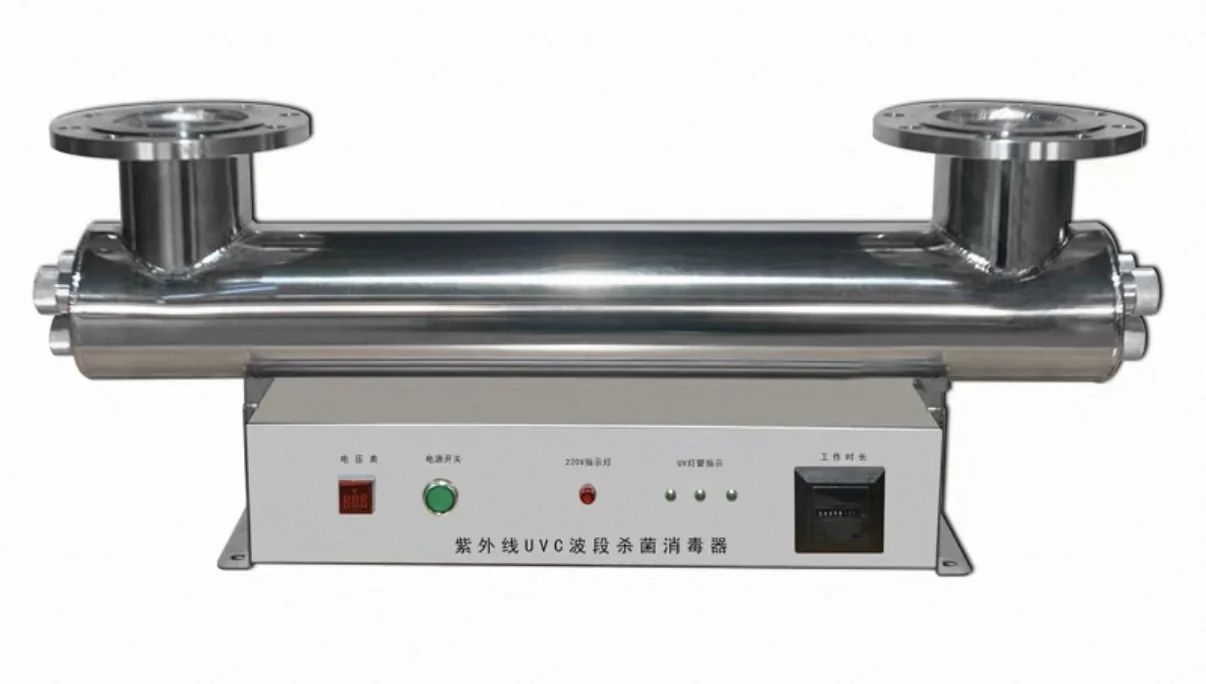
UV Sterilizer (Ultraviolet Sterilizer)
Pure Physical Disinfection
Features
- Pure physical sterilization - no chemical residue, no odor
- Instant on/off - immediate disinfection when activated
- Low cost - economical operation and maintenance
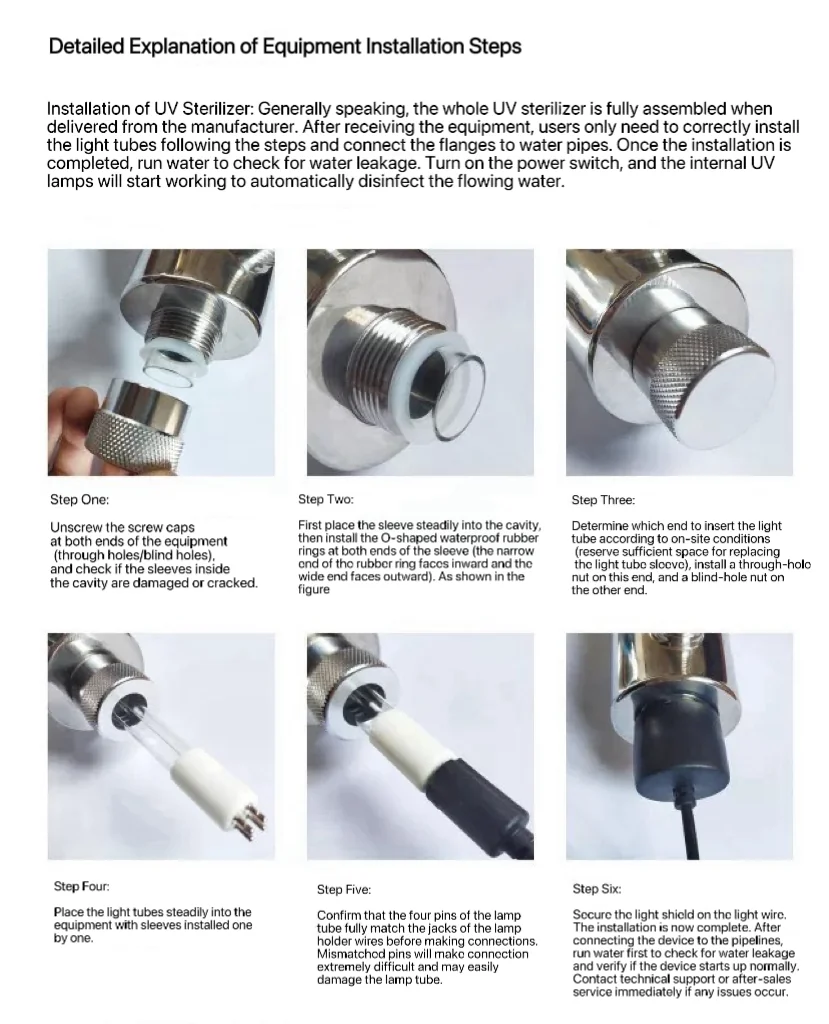
- Easy installation - simple integration into existing systems
- Convenient maintenance - straightforward lamp replacement
Applications
- Pure water, mineral water, drinking water systems
- Bottled water production
- Food & beverage processing
- Water purification equipment
- Community water supply systems
- Hospital water systems
- Scenarios requiring no odor, no residue output
Key Benefits
UV sterilization provides instant, chemical-free disinfection ideal for drinking water and food applications. No taste alteration, no chemical handling, and no residual disinfectant in treated water.
1
/
5
1
/
5
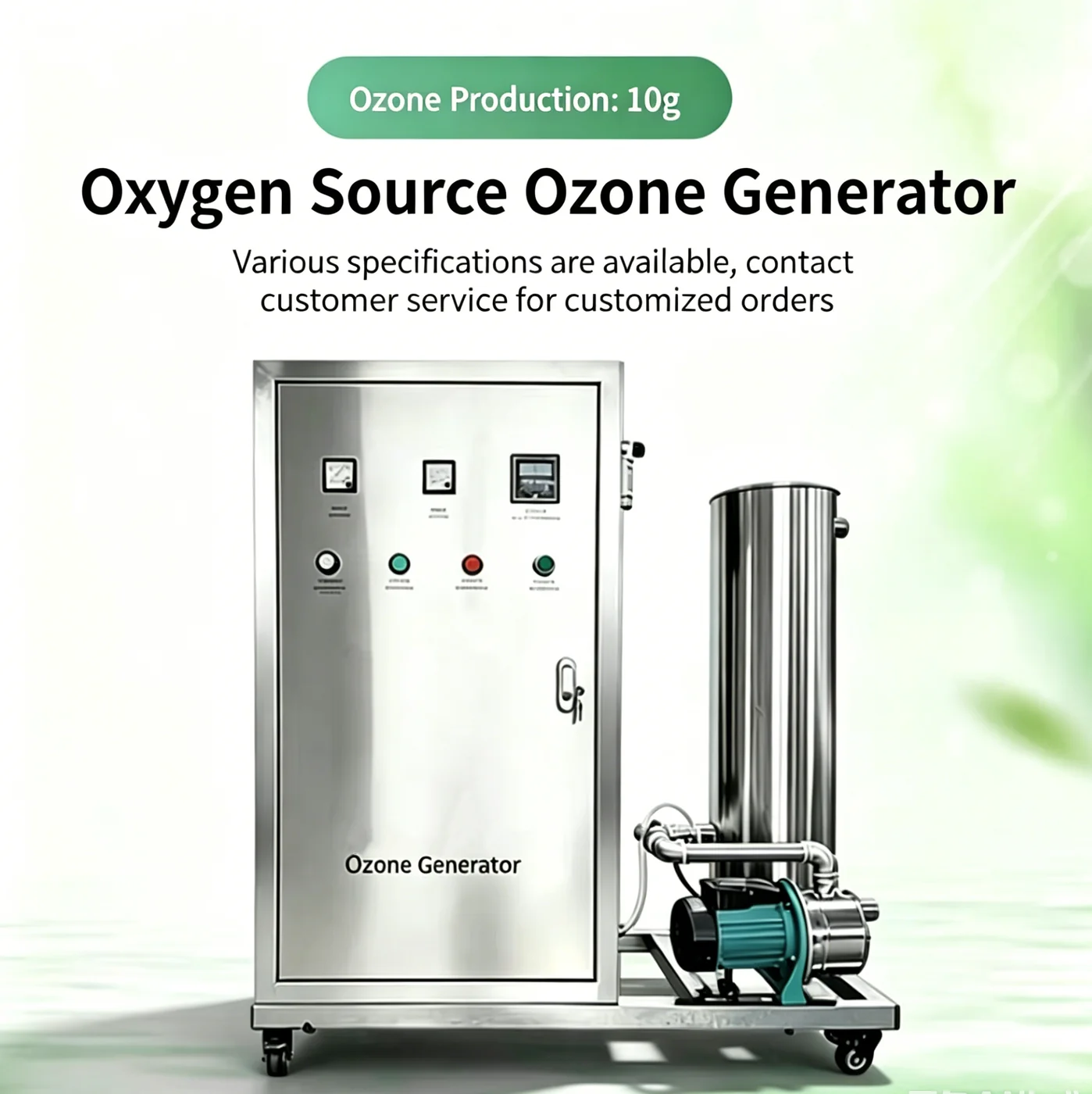
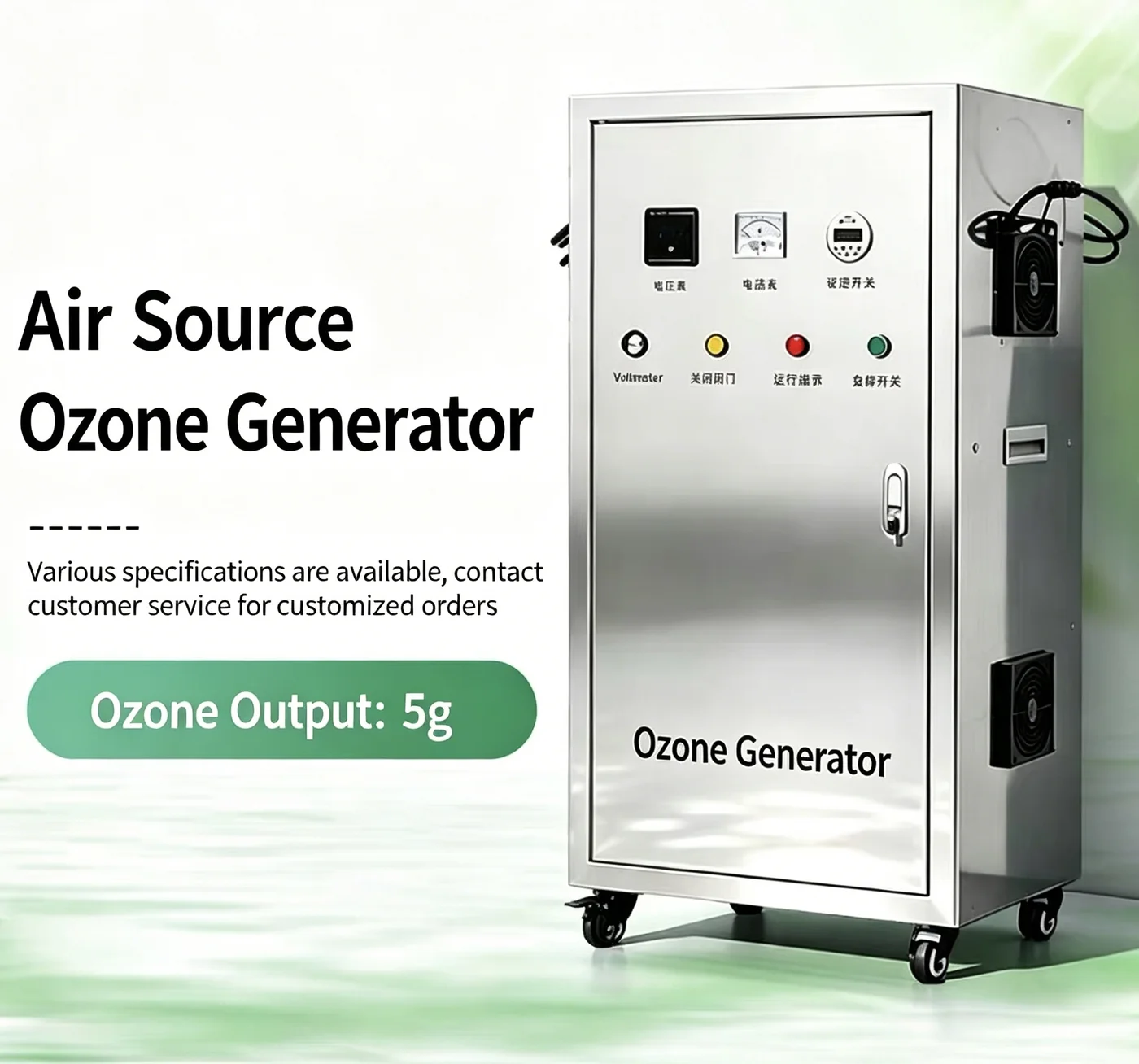
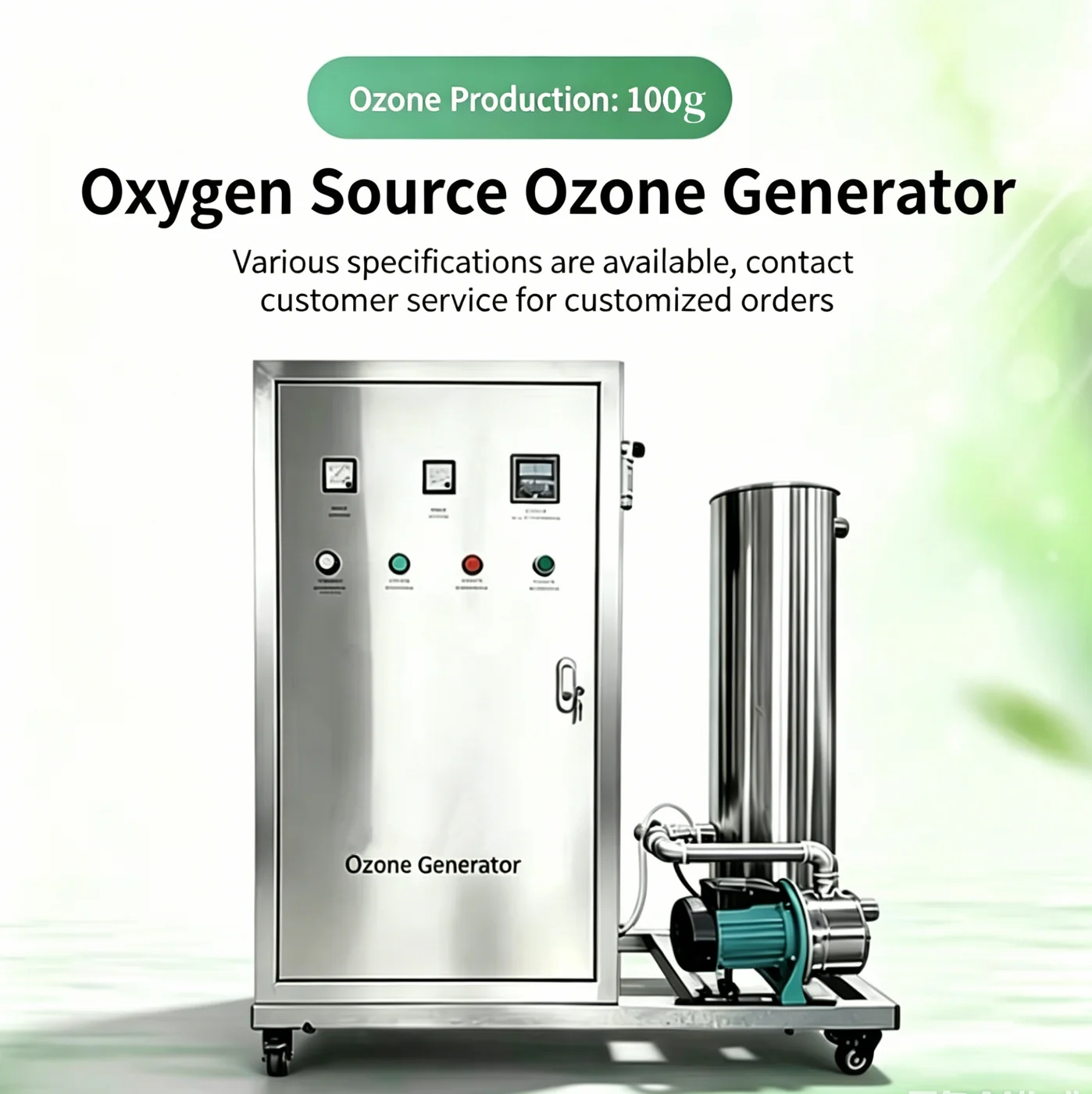
Ozone Sterilizer (Ozone Disinfector)
Comprehensive Oxidation Treatment
Features
- Stronger disinfection - more thorough than UV
- Oxidizes organic impurities - removes color and odor
- Comprehensive disinfection - treats water, pipes, and tanks
- Strong oxidizing properties - broader bactericidal range
- Decolorization & deodorization capabilities
Applications
- Mineral water and pure water production
- Beverage manufacturing
- Swimming pool water treatment
- Wastewater treatment systems
- Cooling tower water disinfection
- Food processing facilities
- Pipeline and equipment disinfection
- Space and air disinfection
Key Benefits
Ozone sterilization provides comprehensive disinfection with oxidation capabilities. Ideal for industrial applications requiring complete system disinfection including pipes and storage tanks. Effectively removes color, odor, and organic contaminants.
Key Features
Effective Disinfection
Proven sterilization technologies for water safety
No Chemical Residue (UV)
Pure physical disinfection with UV sterilizers
Instant Action
Immediate disinfection when activated
Oxidation Capability (Ozone)
Removes color, odor, and organic impurities
Comprehensive Coverage (Ozone)
Disinfects water, pipes, tanks, and spaces
Cost-Effective
Low operating and maintenance costs
Easy Maintenance
Simple installation and upkeep
Wide Applications
Drinking water, food, industrial, and more
No Taste Alteration
Maintains water quality without affecting taste
Environmentally Friendly
No harmful byproducts or chemical disposal
Applications
Sterilization solutions for diverse industries
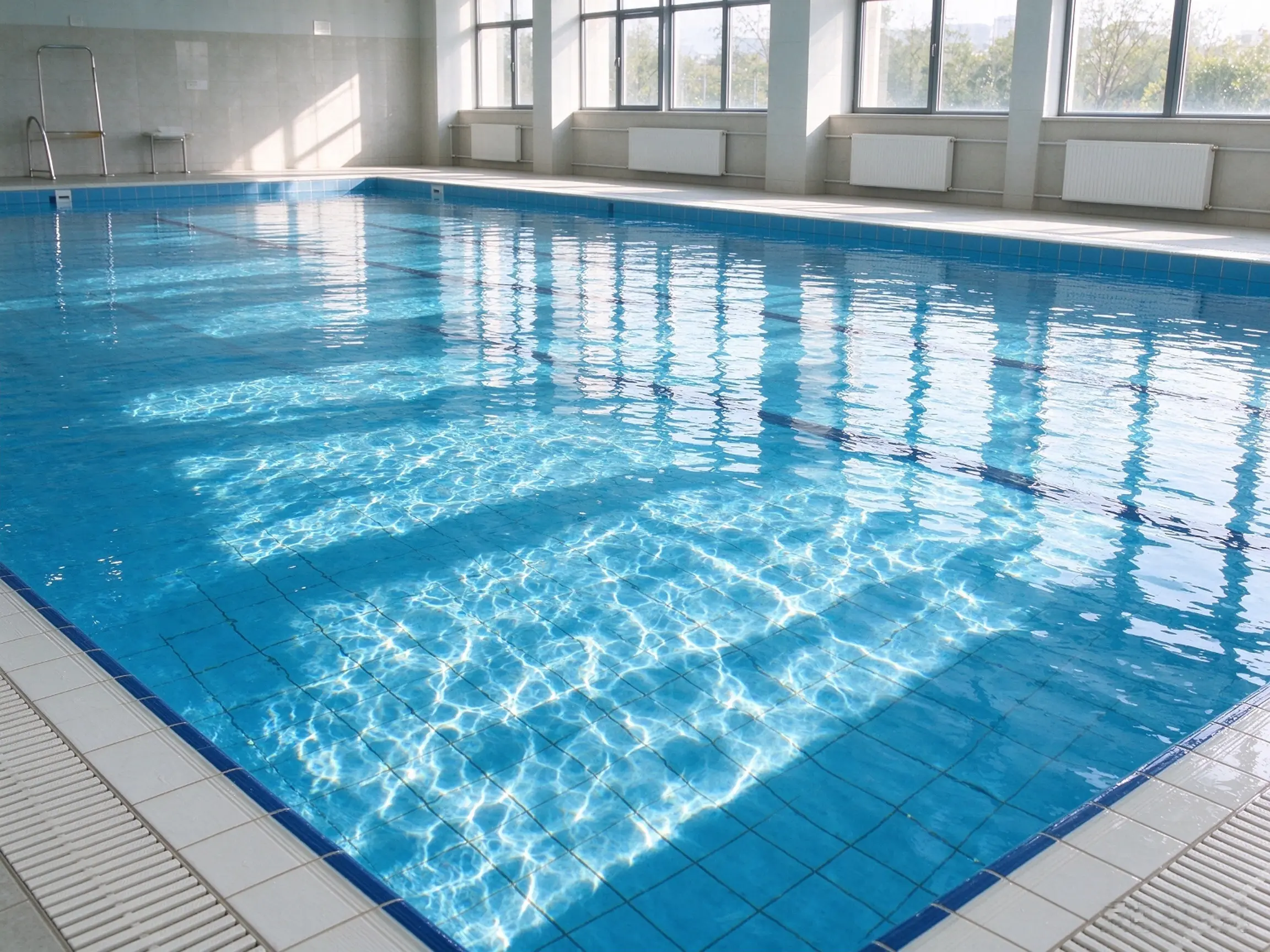
Swimming Pools
Ozone disinfection for pool water treatment
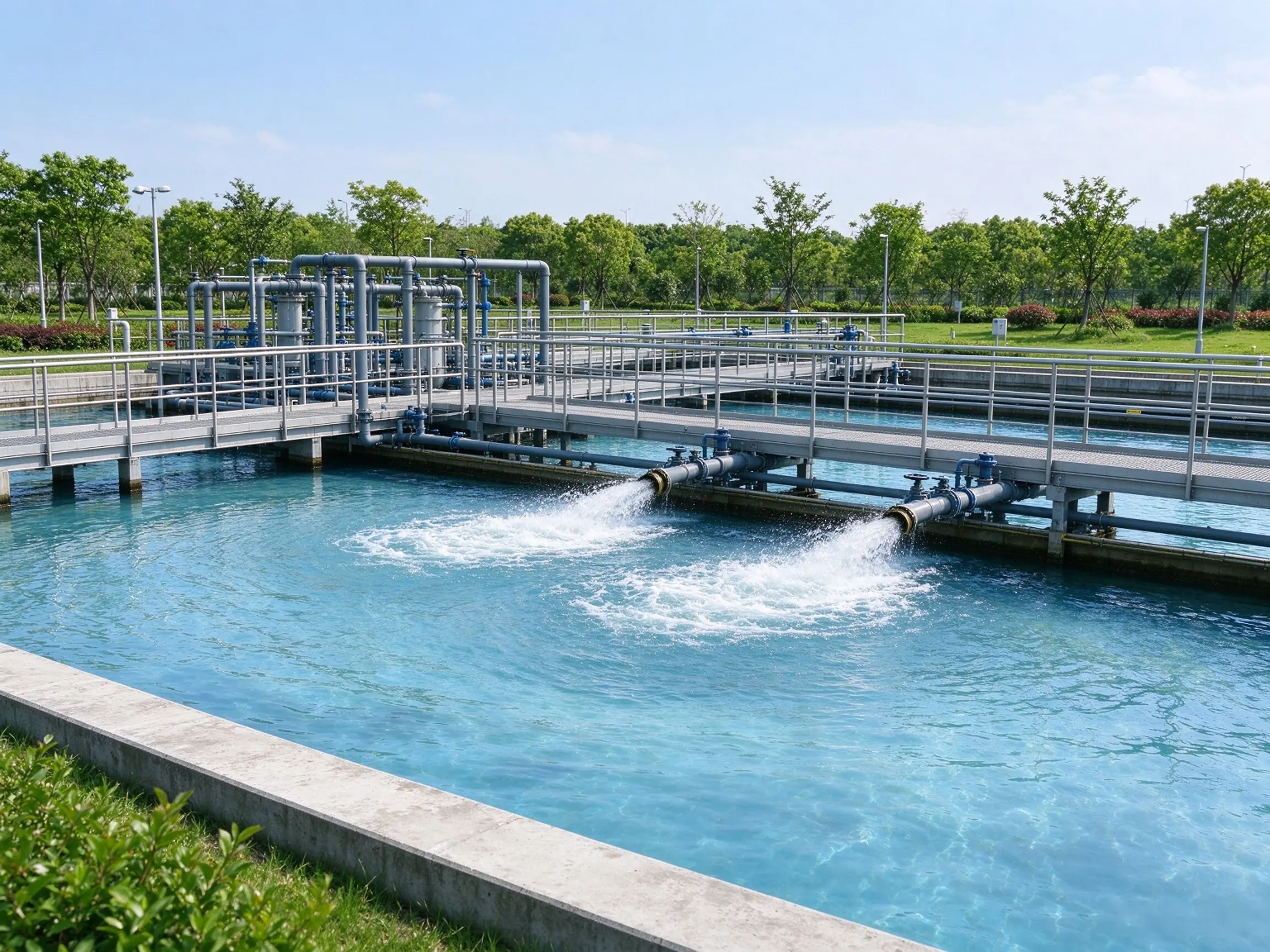
Wastewater Treatment
Ozone oxidation for wastewater disinfection
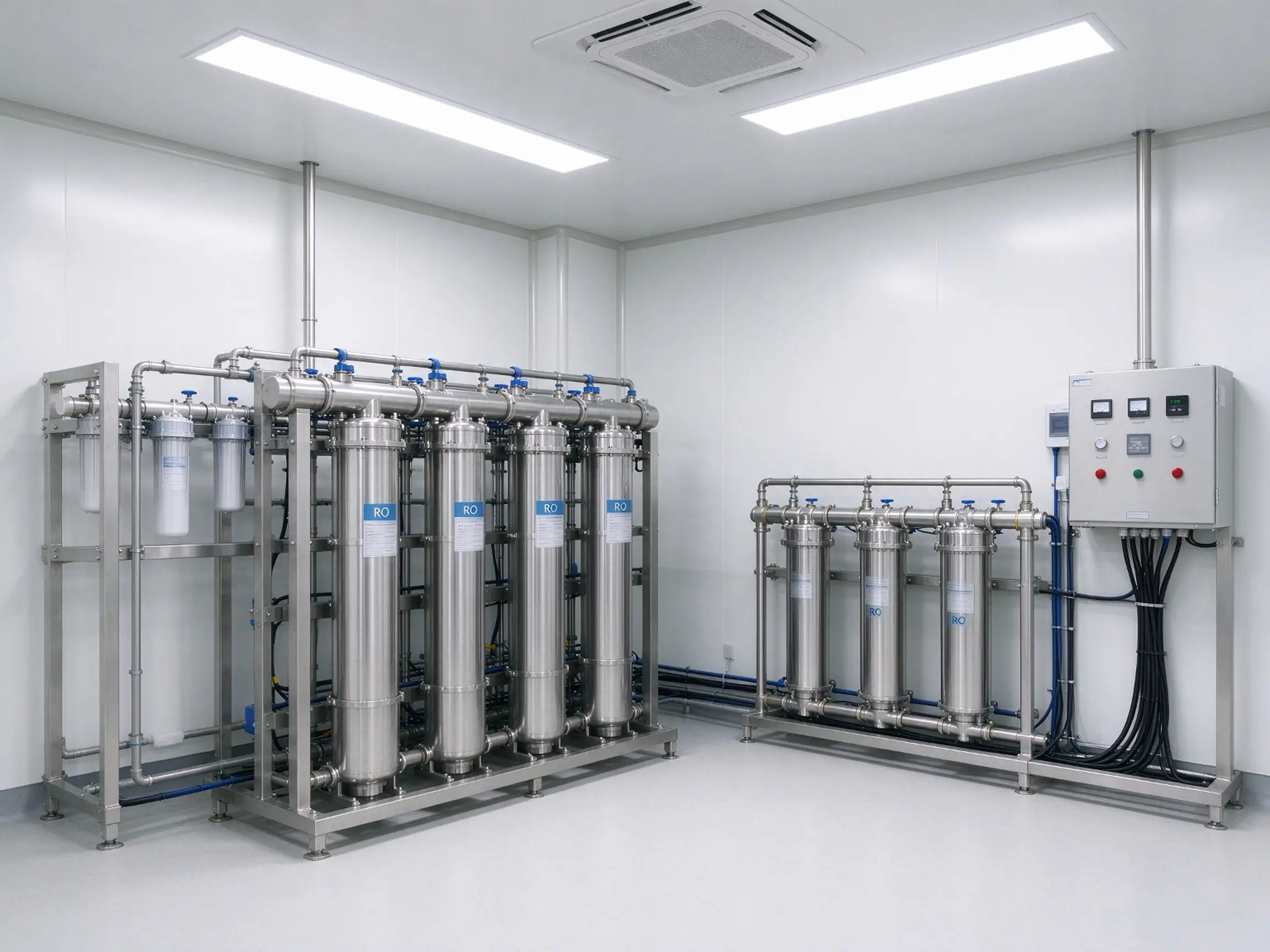
Hospital Water Systems
UV sterilizers for medical-grade water
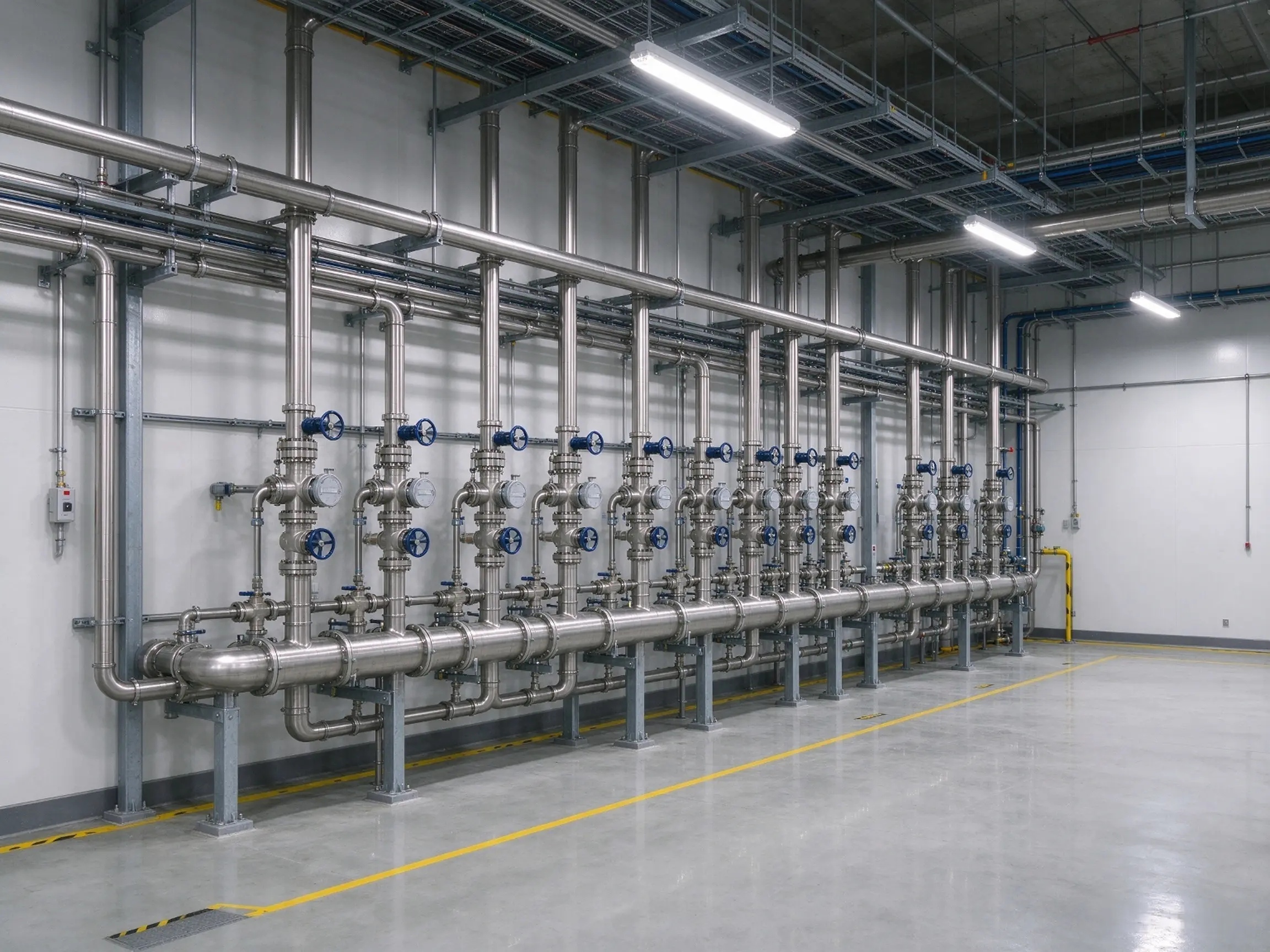
Pipeline Disinfection
Ozone for comprehensive pipeline sterilization
Technology Comparison
Understand the differences between UV and ozone sterilization
| Feature | UV Sterilizer | Ozone Sterilizer |
|---|---|---|
| Sterilization Method | Physical (UV light) | Chemical (Ozone oxidation) |
| Action Speed | Instant - immediate when activated | Fast - requires contact time |
| Residue | No chemical residue | Ozone degrades to oxygen (minimal residue) |
| Odor | No odor | Ozone odor during operation |
| Disinfection Strength | Effective for bacteria and viruses | Stronger - broader bactericidal range |
| Additional Functions | Disinfection only | Oxidation, decolorization, deodorization |
| Coverage | Water flowing through UV chamber | Water, pipes, tanks, and air spaces |
| Operating Cost | Low - electricity for lamp | Low to medium - electricity for ozone generator |
| Maintenance | Lamp replacement (annual) | Generator maintenance (periodic) |
| Best For | Drinking water, food, beverage | Industrial, wastewater, comprehensive disinfection |
| Typical Applications | Pure water, bottled water, hospitals | Beverage production, pools, wastewater, pipelines |
Frequently Asked Questions
What is the difference between UV and ozone sterilizers?
UV sterilizers use physical ultraviolet light for instant disinfection with no residue or odor, ideal for drinking water. Ozone sterilizers use chemical oxidation for stronger, more comprehensive disinfection of water, pipes, and tanks, suitable for industrial applications and when broader bactericidal range is needed.
Which sterilizer is better for drinking water?
UV sterilizers are typically preferred for drinking water, pure water, and bottled water applications because they provide instant physical disinfection with no chemical residue, no odor, and no taste alteration. They are instant on/off with low operating costs.
What applications use ozone sterilizers?
Ozone sterilizers are used in bottled water production, beverage manufacturing, swimming pools, wastewater treatment, food processing, pipeline disinfection, and cooling towers. They excel at oxidizing organic impurities, decolorization, deodorization, and comprehensive disinfection of water systems and equipment.
Are UV sterilizers safe for food and beverage applications?
Yes. UV sterilizers are ideal for food and beverage applications because they use pure physical disinfection without chemicals, leaving no residue or odor. They are widely used in food processing, beverage production, and drinking water systems.
How often do UV lamps need replacement?
UV lamps typically need replacement every 8,000-12,000 operating hours, or approximately once per year for continuous operation systems. Lamp effectiveness gradually decreases over time, so regular replacement maintains disinfection efficacy.
Does ozone leave residue in water?
Ozone naturally degrades back to oxygen after disinfection, leaving minimal residue. However, proper contact time and degassing may be required for drinking water applications to ensure no ozone odor remains in the final product.
Can UV sterilizers work with turbid water?
UV sterilizers require relatively clear water for effective disinfection because suspended particles can shield bacteria from UV light. Pre-filtration to remove sediment and turbidity is recommended before UV sterilization.
What are the power requirements?
Power requirements vary by unit size and flow rate. UV sterilizers typically range from 15W for small residential units to several kilowatts for large industrial systems. Ozone generators have similar ranges. Both systems are generally energy-efficient compared to other disinfection methods.
Can ozone sterilizers disinfect empty pipes and tanks?
Yes. One advantage of ozone sterilizers is their ability to disinfect empty pipes, storage tanks, and enclosed spaces by circulating ozone gas. This makes them ideal for CIP (clean-in-place) systems and comprehensive facility disinfection.
Do you provide installation and training?
Yes. We provide installation guidance, system commissioning, operation training, and maintenance support for both UV and ozone sterilization systems. Technical documentation and ongoing support are included with all systems.
Need Sterilization Solutions?
Tell us your water flow rate, application, and disinfection requirements. We will recommend the right sterilization technology and provide a customized system design.