


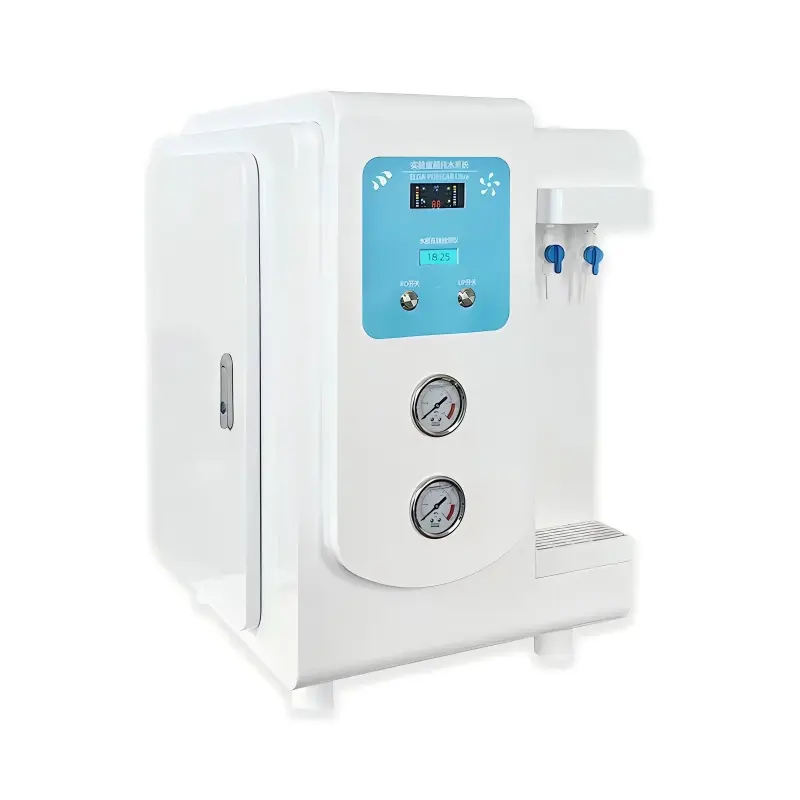
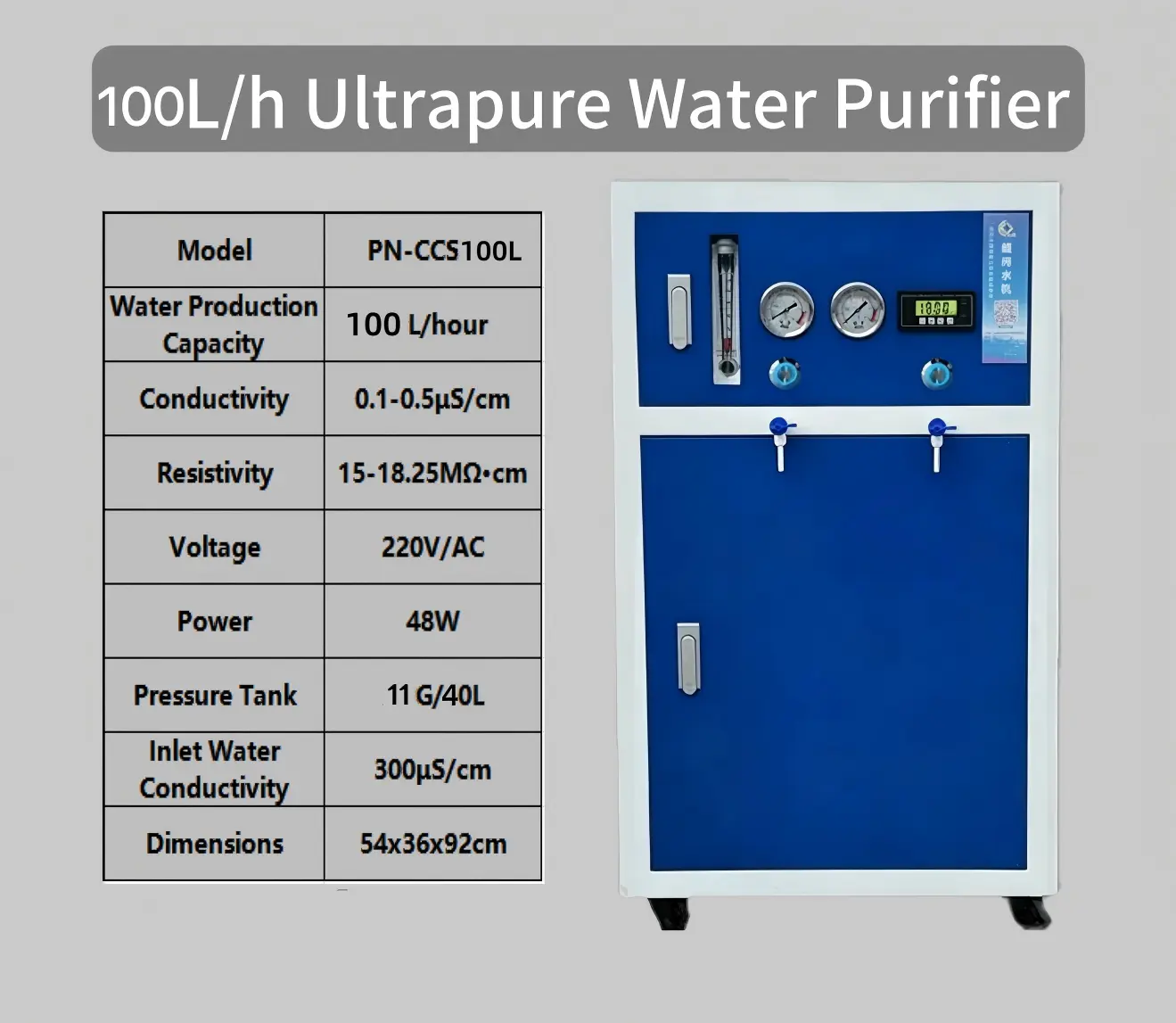
Laboratory Ultrapure Water Generator
High-purity water treatment system designed for research and testing laboratories. Multi-stage purification process converts tap water into pure water (Grade III/II) and ultrapure water (Grade I). Produces water with resistivity up to 18.2 MΩ·cm (25°C) and TOC ≤ 5ppb for analytical chemistry, molecular biology, cell culture, and precision instrumental analysis.
- Water Quality Grade I Ultrapure (18.2 MΩ·cm)
- TOC Level ≤ 5ppb
- Technology Multi-stage purification (RO + EDI + Polishing)
- Feed Water Tap water / Municipal water
- Applications PCR, HPLC, LC-MS, ICP-MS, Cell Culture
- Type Laboratory Grade
Secure inquiry · Response within 24 hours
Product Overview
The laboratory ultrapure water generator is designed for research and testing labs requiring high-purity water. Through multi-stage purification, it converts tap water into pure water (Grade III/II) and ultrapure water (Grade I) meeting various experimental standards, making it essential for analytical chemistry, molecular biology, cell culture, and precision instrumental analysis by removing particulates, ions, organic compounds, microorganisms, and pyrogens.
The system delivers resistivity up to 18.2 MΩ·cm (at 25°C) and TOC ≤ 5ppb, ensuring accurate and reliable results for sensitive applications such as PCR, DNA sequencing, HPLC, LC-MS, ICP-MS, and sterile cell culture.
Key Features
18.2 MΩ·cm
Grade I ultrapure water quality at 25°C
TOC ≤ 5ppb
Ultra-low organic carbon for trace analysis
Multi-Grade Output
Grade III, II and I water for different uses
Multi-Stage Process
RO + EDI + UV + Ultrafiltration + Polishing
Real-Time Monitoring
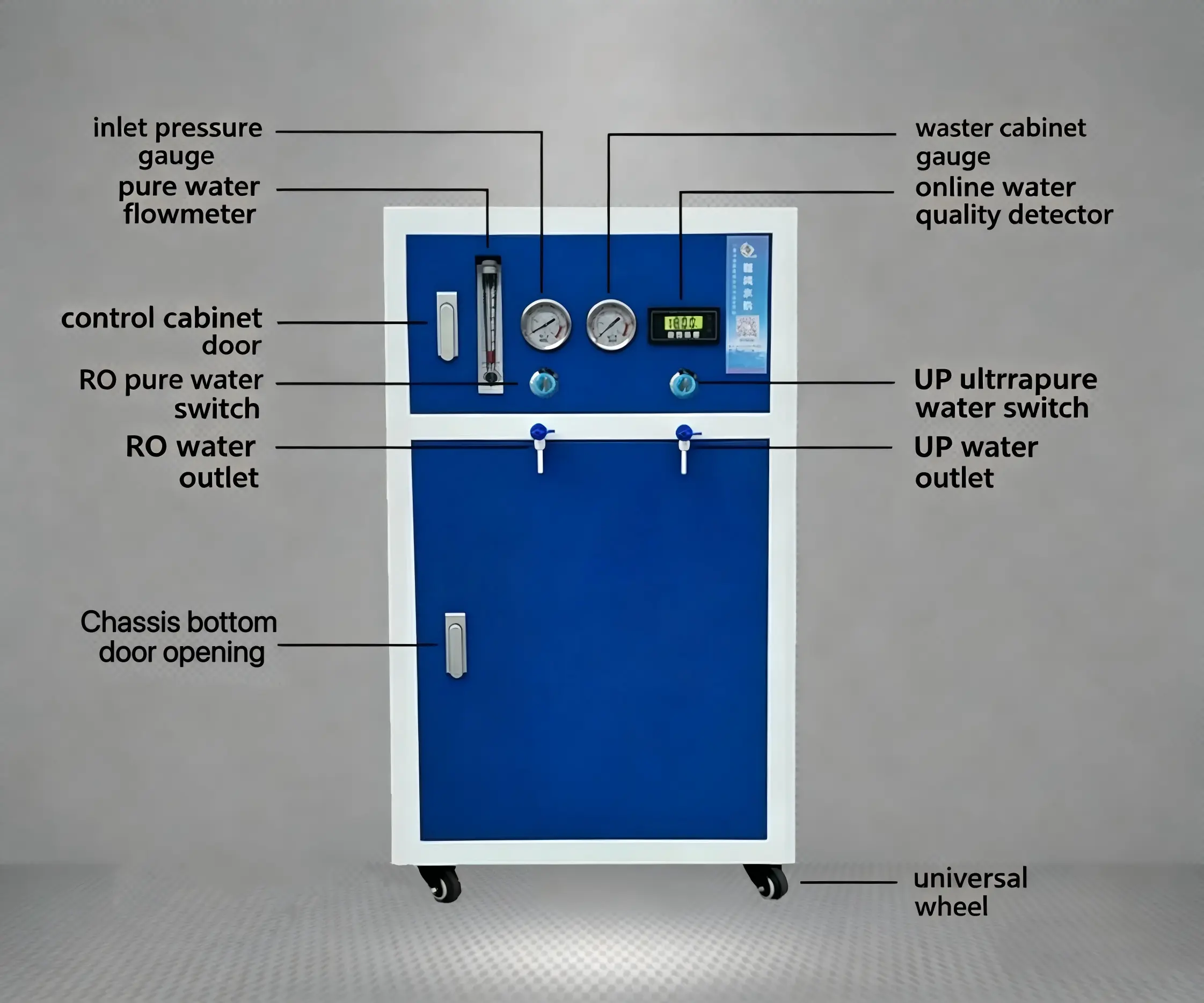
Live resistivity, TOC, temperature and volume
Technical Specifications
| Product Name | Laboratory Ultrapure Water Generator |
| Brand | EASY TANZAN |
| Water Quality - Grade I (Ultrapure) | Resistivity: 18.2 MΩ·cm @ 25°C |
| TOC (Total Organic Carbon) | ≤ 5 ppb |
| Bacteria | < 1 CFU/ml |
| Endotoxin | < 0.001 EU/ml |
| Particles (>0.22μm) | < 1/ml |
| Purification Technology | Pre-treatment + Reverse Osmosis + EDI + UV sterilization + Ultrafiltration + Ion exchange polishing |
| Feed Water Source | Municipal tap water |
| Feed Water Requirements | TDS < 200ppm, Pressure: 0.1-0.4 Mpa |
| Output Flow Rate | Customizable (typically 5-30 L/hour) |
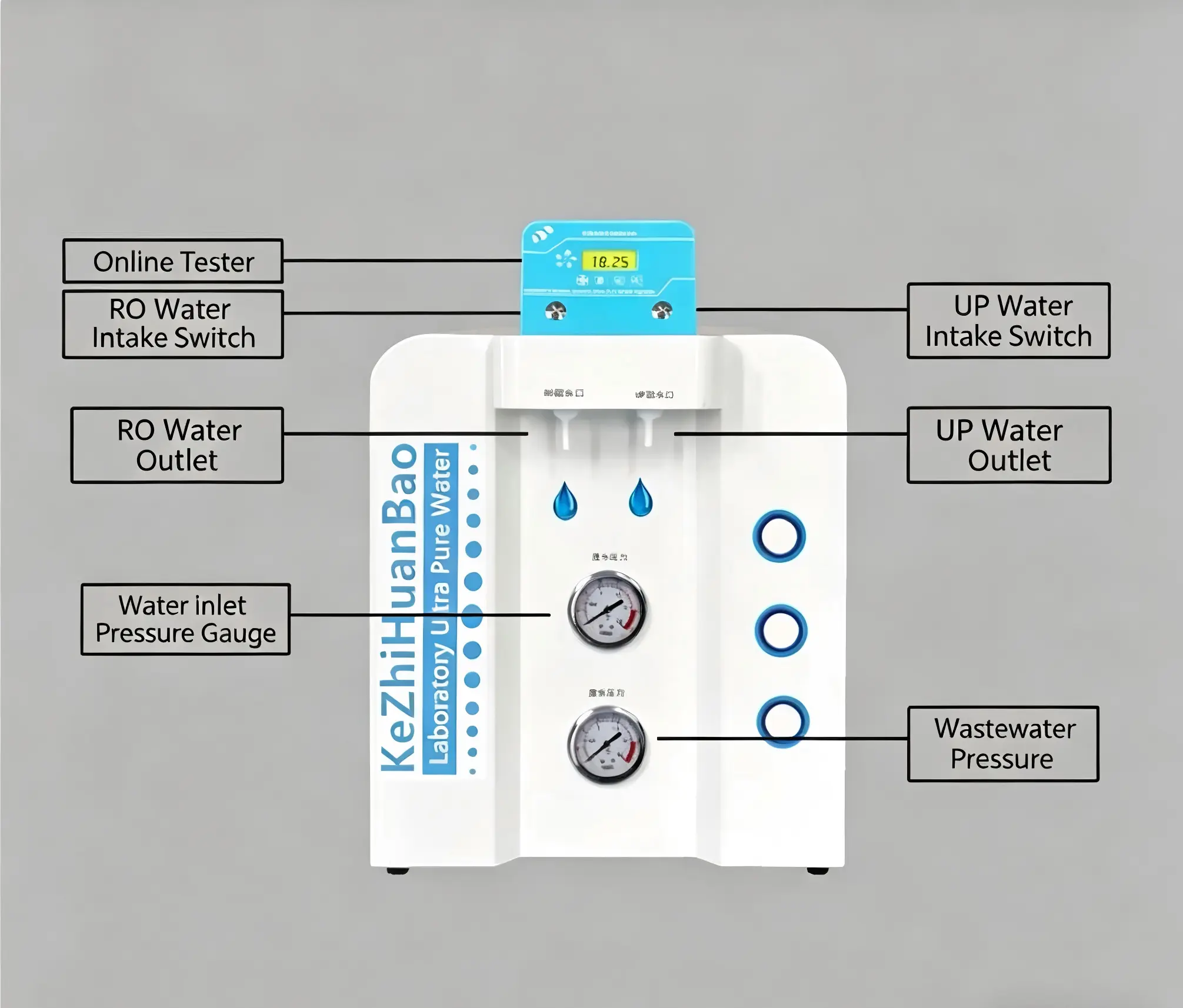
| Display & Control | LCD touchscreen with real-time resistivity, TOC, temperature, volume display |
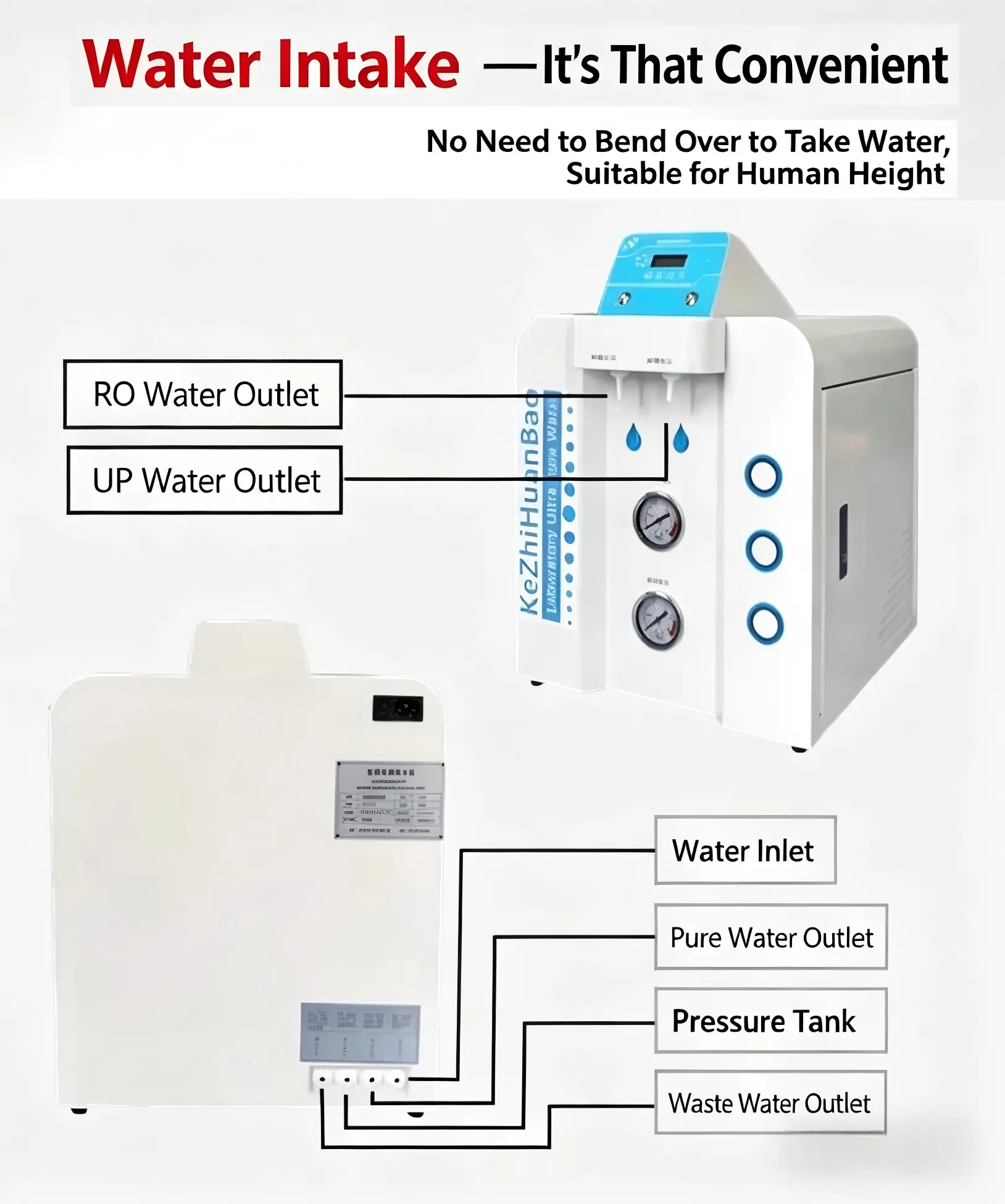
| Water Dispenser | Manual or automatic dispensing with adjustable volume |
| Power Supply | 220V/110V, 50/60Hz |
| Power Consumption | < 200W (operating mode) |
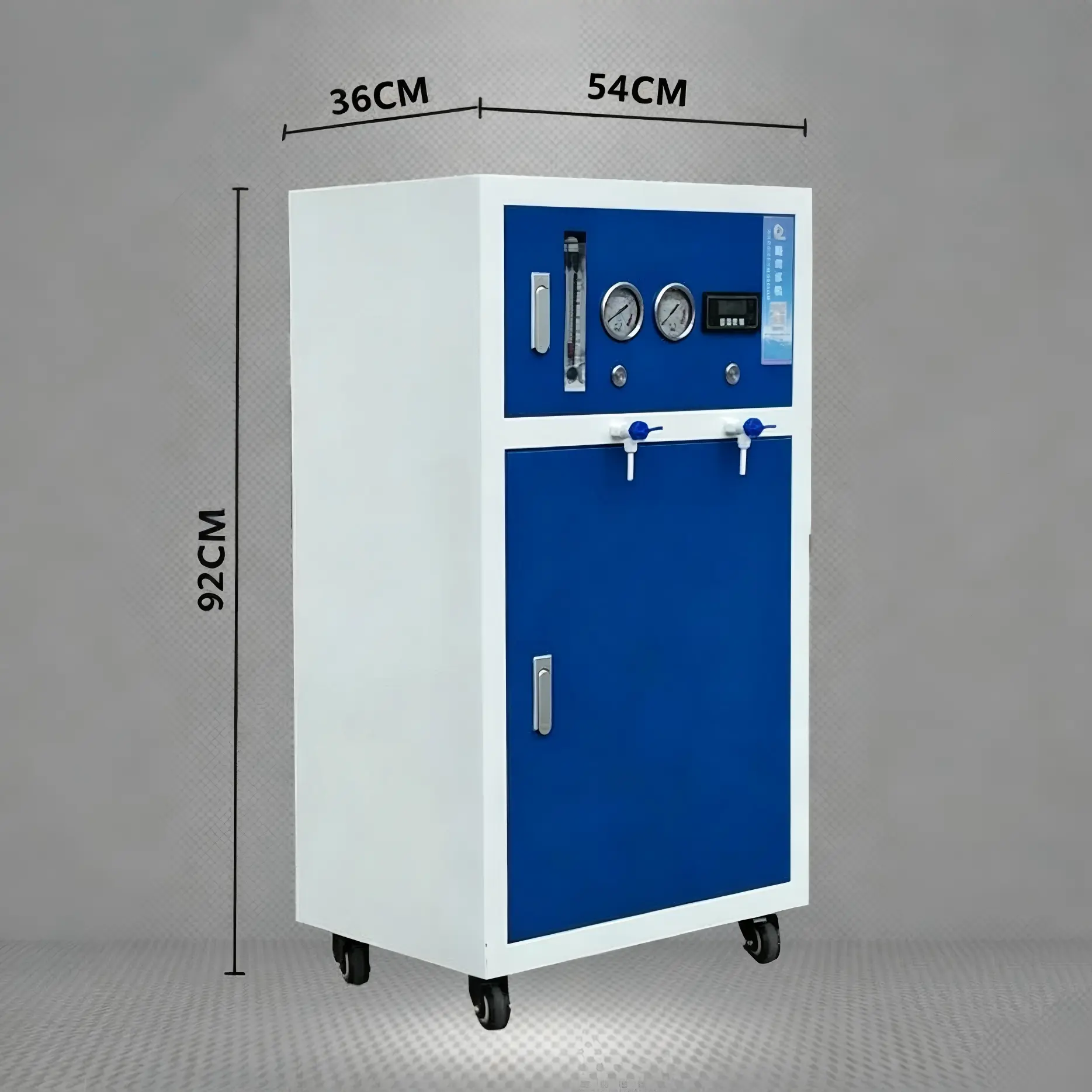
| Dimensions | Approximately 400 × 500 × 600 mm (W×D×H) |
| Weight | Approximately 25-35 kg |
| Type | Laboratory / Scientific Research |
| Place of Origin | Hunan, China |
Applications
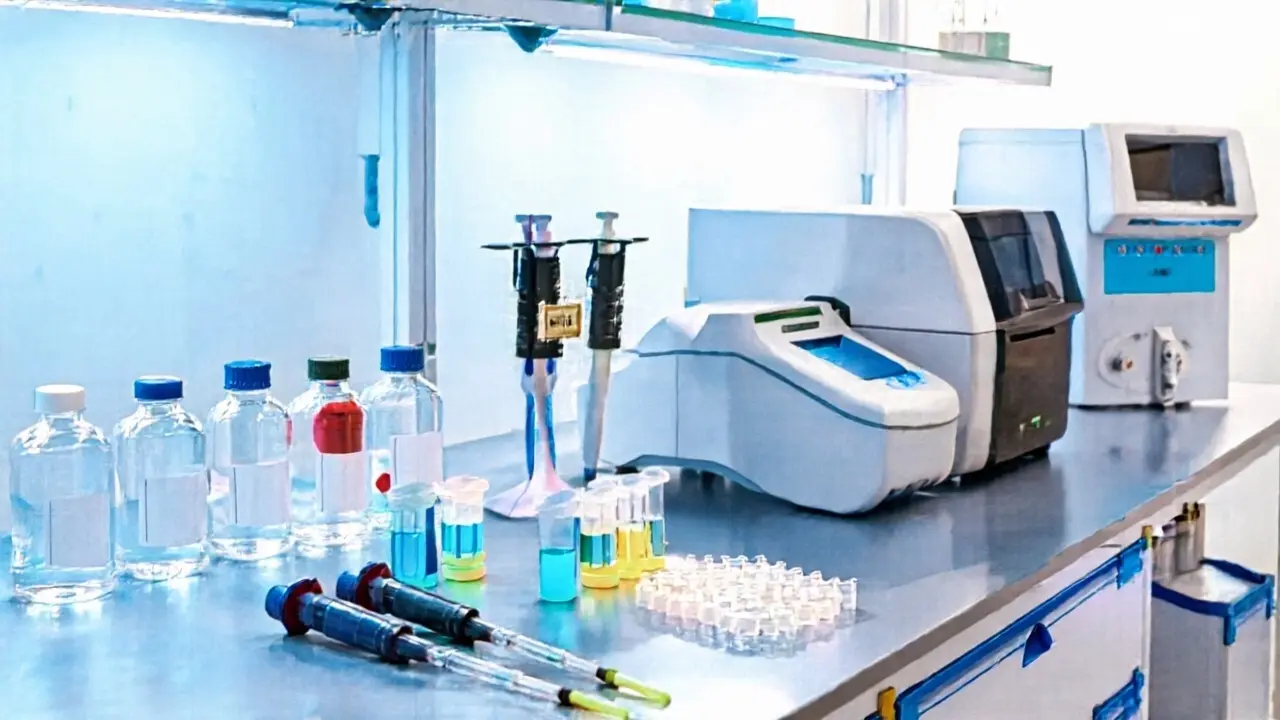
Molecular Biology Experiments
PCR, DNA/RNA sequencing, gene cloning
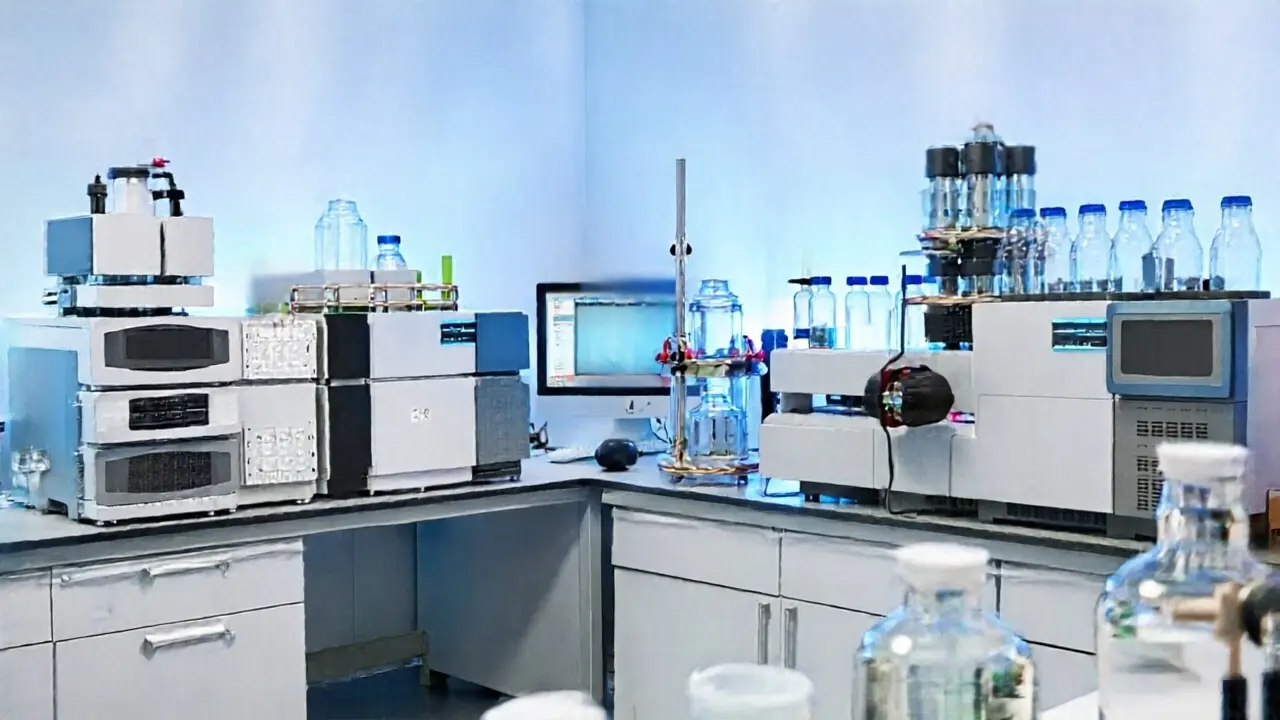
Precision Instrumental Analysis
HPLC, LC-MS, ICP-MS, GC-MS, AA. For semiconductor and electronics applications, see our electronics ultrapure water solutions
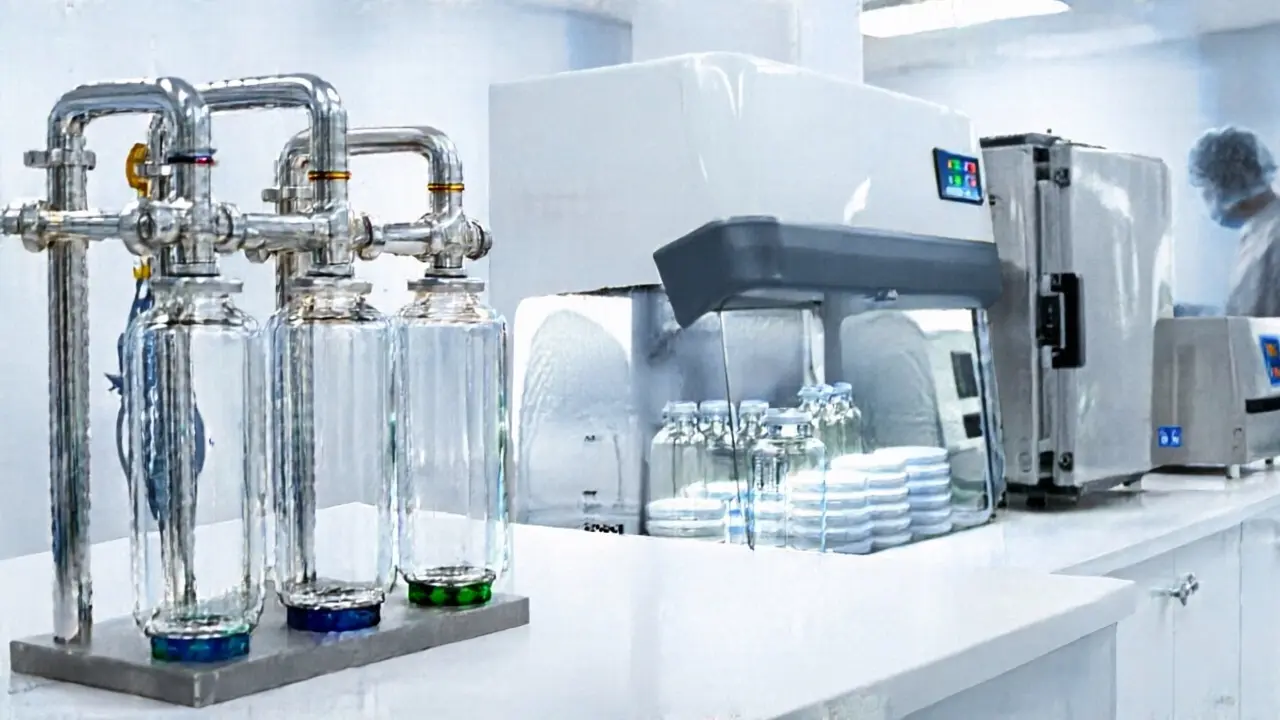
Cell Culture & Sterile Experiments
Mammalian cell culture, microbiology, aseptic techniques
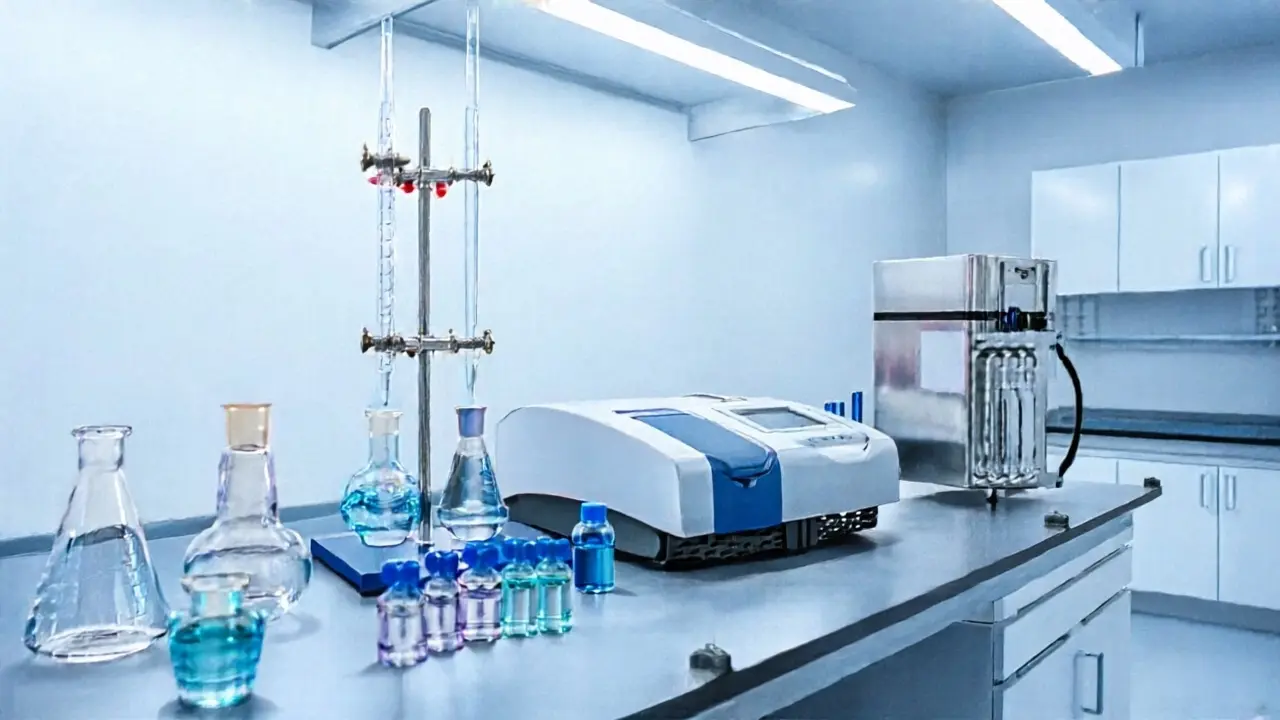
Physicochemical Analysis
Trace element detection, spectrophotometry, titration
Frequently Asked Questions
What is the difference between Grade I, II, and III water?
Grade I (18.2 MΩ·cm) is ultrapure water for the most sensitive applications like PCR and LC-MS. Grade II (>1 MΩ·cm) is suitable for general laboratory use. Grade III (>0.05 MΩ·cm) is purified water for glassware washing and general preparation.
Why is TOC level important?
TOC (Total Organic Carbon) indicates organic contamination levels. TOC ≤ 5ppb ensures minimal organic interference in sensitive techniques like LC-MS, HPLC, and cell culture, preventing false results and contamination.
Can this system produce water for cell culture?
Yes. The system includes UV sterilization and ultrafiltration to remove bacteria and endotoxins, producing pyrogen-free water suitable for cell culture media preparation and washing procedures.
What feed water quality is required?
The system is designed for municipal tap water with TDS < 200ppm. For water with higher TDS or contamination, pre-treatment with RO systems may be required for optimal performance and membrane longevity.
How often do consumables need replacement?
Pre-filters typically need replacement every 6-12 months. RO membranes last 2-3 years. EDI modules last 3-5 years. UV lamps should be replaced annually. Actual lifespan depends on water quality and usage volume.
Does the system store ultrapure water?
Most laboratory systems produce ultrapure water on-demand rather than storing it, as ultrapure water can be contaminated by storage. Some models include small reservoirs with circulation and UV to maintain quality.
Can I monitor water quality in real-time?
Yes. The LCD touchscreen displays real-time resistivity, TOC, temperature, and dispensed volume. Alarms notify you when water quality falls below set parameters, ensuring consistent experimental conditions.
Request a Quote for Laboratory Ultrapure Water Generator
Tell us your laboratory applications, daily water consumption, and specific water quality requirements. We will recommend the right system configuration and provide a detailed quotation. For pharmaceutical QC labs, also explore our pharmaceutical water treatment solutions.